
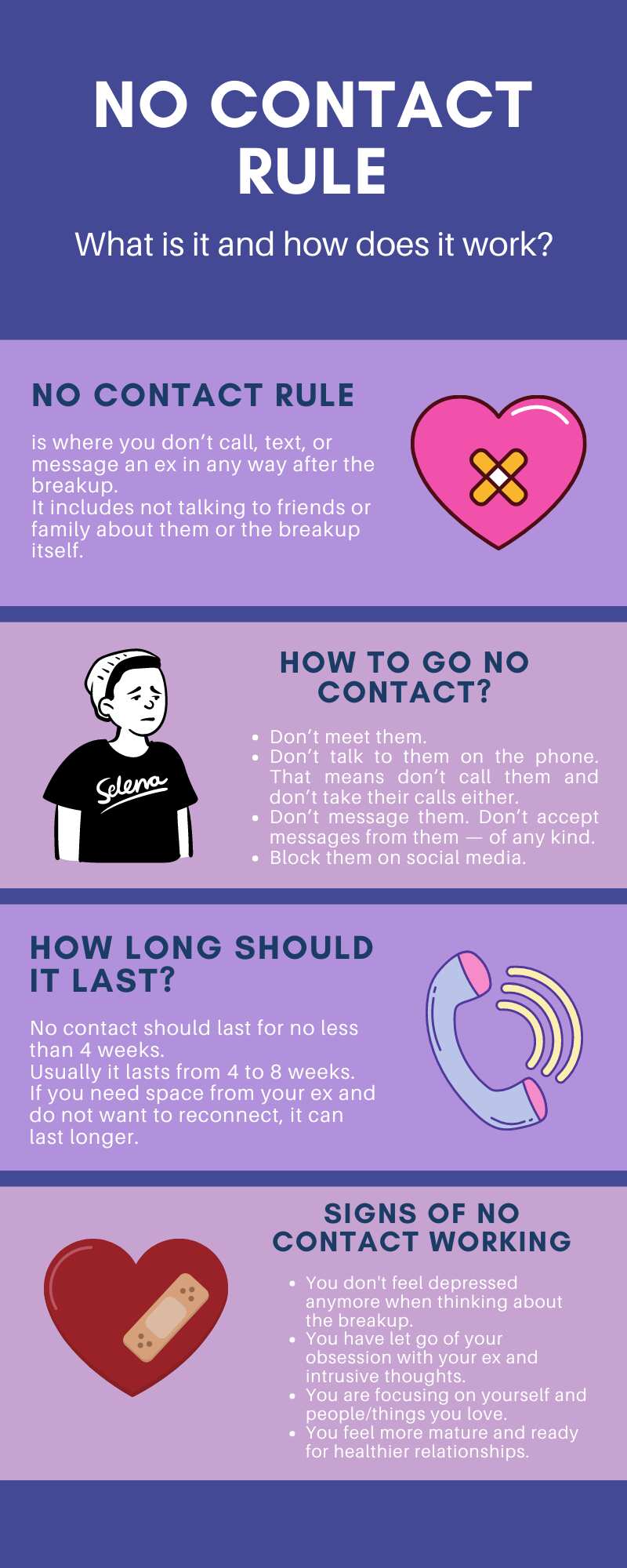
The No Contact Rule: Should You Try It?
Heartbreak. It's a universal experience, leaving a trail of shattered expectations and emotional wreckage. When a relationship ends, the urge to reach out to your ex, to plead, explain, or simply seek closure, can feel overwhelming. This is where the "no contact rule" enters the picture, a strategy promising emotional healing and, in some cases, even reconciliation. But is it the right approach for everyone? This article delves into the complexities of the no-contact rule, exploring its potential benefits, drawbacks, and helping you decide if it's the right path for your unique situation.
Understanding the No Contact Rule
The no-contact rule, in its simplest form, mandates completely cutting off all communication with your ex. This isn't just about avoiding phone calls and texts; it extends to social media, mutual friends, and any other avenues of contact. The goal is to create emotional distance, allowing you to process the breakup without the constant trigger of their presence in your life. This enforced separation aims to help you regain your sense of self, rebuild your confidence, and ultimately, move forward. It's a deliberate act of self-preservation, prioritizing your emotional well-being above the immediate gratification of contact.
Potential Benefits of Going No Contact
Many find the no-contact rule remarkably effective. Emotional healing is a primary benefit. By removing the constant reminder of the relationship's end, individuals can begin the process of grieving, accepting the loss, and ultimately moving on. This period of detachment allows for introspection, fostering self-discovery and personal growth. You gain clarity on your needs and wants, independent of your ex’s influence. Furthermore, the rule can improve your self-esteem. Breaking the cycle of seeking validation from your ex empowers you to find self-worth within yourself. Finally, in some cases, the absence of contact can paradoxically spark renewed interest from the other person, potentially leading to reconciliationâ€"but this should never be the primary motivation for employing the rule.
Specific Examples of Benefits
- Reduced anxiety and emotional distress.
- Increased self-awareness and personal growth.
- Improved sleep and overall well-being.
- Greater focus on personal goals and aspirations.
When No Contact Might Not Be the Best Approach
While the no-contact rule offers significant advantages, it's crucial to acknowledge its limitations. It's not a magic bullet, and it isn't suitable for every situation. For instance, if you share children or other significant responsibilities with your ex, complete severance of contact might be impractical or even harmful. In such cases, maintaining minimal, civil communication focused solely on practical matters is often necessary. Furthermore, if the relationship ended due to abuse or significant trauma, maintaining distance is essential, but a complete cut-off might not be advisable without professional guidance. Consulting a therapist or counselor can help navigate these complex situations safely.
Deciding if No Contact is Right for You
Before implementing the no-contact rule, consider your specific circumstances. Honest self-reflection is key. Ask yourself: What are my goals? What do I hope to achieve? Is my emotional state stable enough to manage the potential challenges of complete separation? If you feel overwhelmed or struggle with self-sabotage, seeking professional support is highly recommended. A therapist can provide personalized guidance and support, helping you determine whether the no-contact rule aligns with your needs and ensuring you navigate the process in a healthy and constructive manner.
Ultimately, the decision of whether or not to embrace the no-contact rule is deeply personal. There’s no one-size-fits-all answer. Weigh the potential benefits against the potential drawbacks, carefully consider your individual circumstances, and prioritize your emotional well-being above all else. Remember, healing from heartbreak takes time and patience, and the right path is the one that best supports your journey toward recovery and self-discovery.


No comments:
Post a Comment