
The No Contact Rule: Is It Right for Your Situation?
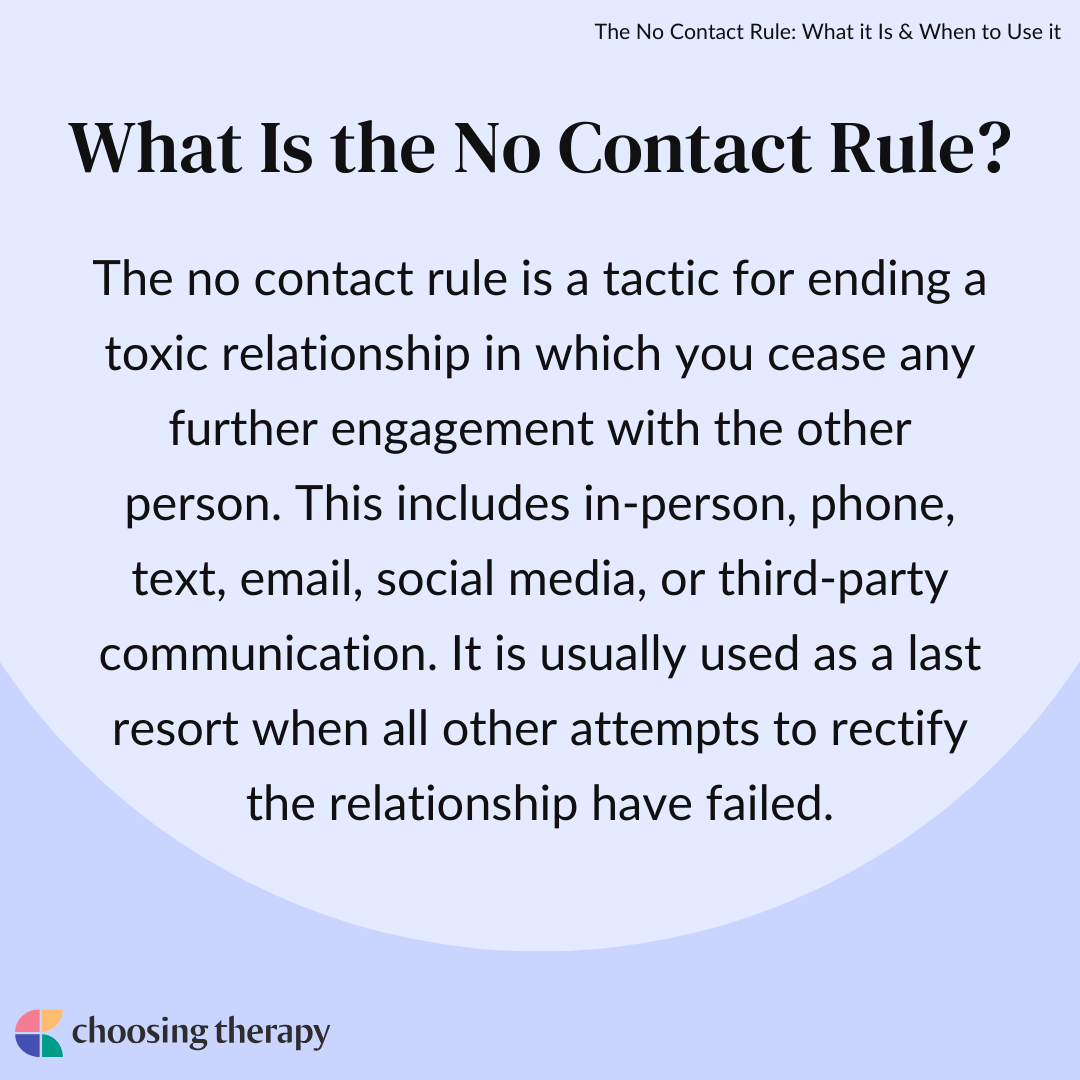
The "no contact rule" (NCR), a strategy often recommended following a relationship breakup, dictates complete cessation of communication with the former partner. This includes all forms of contact: phone calls, texts, emails, social media interactions, and even indirect communication through mutual friends. While widely touted as a path to healing and self-discovery, its efficacy is not universally applicable. This article will explore the nuances of the no-contact rule, examining its potential benefits and drawbacks to determine its suitability for various situations.
Understanding the Rationale Behind No Contact
Proponents of the no-contact rule argue that severing ties facilitates several crucial aspects of post-breakup recovery. The primary benefit lies in emotional detachment. Constant communication, even seemingly innocuous interactions, can prolong the emotional pain and hinder the healing process. The ongoing connection fuels hope for reconciliation, preventing the individual from moving on and processing the loss.
Breaking the Cycle of Reactivity
Furthermore, the NCR helps break the cycle of reactivity. Many post-breakup interactions are driven by intense emotions â€" anger, sadness, longing, or a desperate need for closure. These emotionally charged exchanges rarely lead to productive outcomes and often exacerbate the pain and confusion. By eliminating contact, individuals can create space for emotional regulation and gain perspective on the relationship dynamics.
Prioritizing Self-Reflection and Growth
The enforced absence provided by the no-contact rule encourages introspection and self-reflection. Without the distraction of constant interaction with the former partner, individuals have the opportunity to explore their feelings, identify patterns of behavior within the relationship, and address underlying issues contributing to the breakup. This period of solitude fosters personal growth and self-improvement.
Situations Where No Contact Might Be Beneficial
The no-contact rule can be particularly effective in specific circumstances. It is often recommended in cases involving:
- Abusive relationships: In situations marked by emotional, physical, or verbal abuse, the NCR is crucial for safety and well-being. Continued contact can expose the individual to further harm and hinder their escape from the abusive dynamic.
- Relationships characterized by unhealthy codependency: When individuals are deeply enmeshed in a codependent relationship, the NCR can help establish healthy boundaries and prevent relapse into unhealthy patterns of behavior.
- Breakups marked by high conflict: If the breakup was acrimonious, filled with accusations, and significant emotional turmoil, the NCR offers a period of calm to de-escalate tensions and prevent further conflict.
- Situations where one partner is unwilling to accept the breakup: When one partner refuses to accept the end of the relationship and persistently pursues contact, the NCR protects the other partner from unwanted emotional pressure and manipulation.
When No Contact May Not Be the Best Approach
Despite its purported benefits, the no-contact rule is not a universally applicable solution. There are situations where it could be detrimental to the healing process or even counterproductive:
- Mutual respect and amicable separation: If the breakup was amicable and both partners agree to remain friends or maintain a cordial relationship, enforcing no contact can unnecessarily strain the bond and create resentment.
- Shared responsibilities: In situations involving shared custody of children, joint property ownership, or ongoing business partnerships, complete no contact may be impractical or even impossible. Maintaining necessary communication while setting clear boundaries is crucial.
- Situations requiring closure: While prolonged contact can hinder healing, a respectful conversation aimed at achieving closure can be beneficial for both partners. This allows for a healthy acknowledgment of the relationship's end and the expression of unresolved feelings.
- Pre-existing mental health conditions: Individuals struggling with pre-existing mental health conditions, such as anxiety or depression, may find the isolation imposed by the NCR exacerbates their symptoms. A tailored approach that addresses individual needs is paramount.
Alternatives to Strict No Contact
For those situations where complete no contact is not feasible or advisable, alternative strategies can be considered:
- Limited contact with clear boundaries: This approach involves establishing specific guidelines for communication, focusing solely on practical matters and avoiding emotionally charged discussions.
- Gradual reduction of contact: Rather than abruptly cutting off all communication, gradually reducing the frequency and intensity of interactions allows for a smoother transition and minimizes emotional upheaval.
- Seeking professional support: Therapy or counseling can provide a safe and structured environment to process emotions, establish healthy coping mechanisms, and develop strategies for navigating post-breakup challenges.
Conclusion: A Personalized Approach to Healing
The no-contact rule, while a popular strategy, is not a one-size-fits-all solution to post-breakup healing. Its effectiveness depends heavily on the specific circumstances of the relationship and the individual's emotional needs. A thoughtful and individualized approach, considering the unique dynamics of the situation and the potential benefits and drawbacks of various strategies, is crucial for facilitating healthy recovery and personal growth. Sometimes, the most effective path to healing might involve carefully managed communication, while in other cases, complete separation is indeed necessary. The key is to prioritize self-care, emotional well-being, and a mindful approach to navigating the complexities of a relationship's end.
Ultimately, the decision of whether or not to implement the no-contact rule rests solely on the individual. Seeking guidance from a therapist or counselor can provide valuable support in making an informed decision and developing a personalized healing plan.


No comments:
Post a Comment