
The No Contact Rule: Does It Work for Getting Your Ex Back?
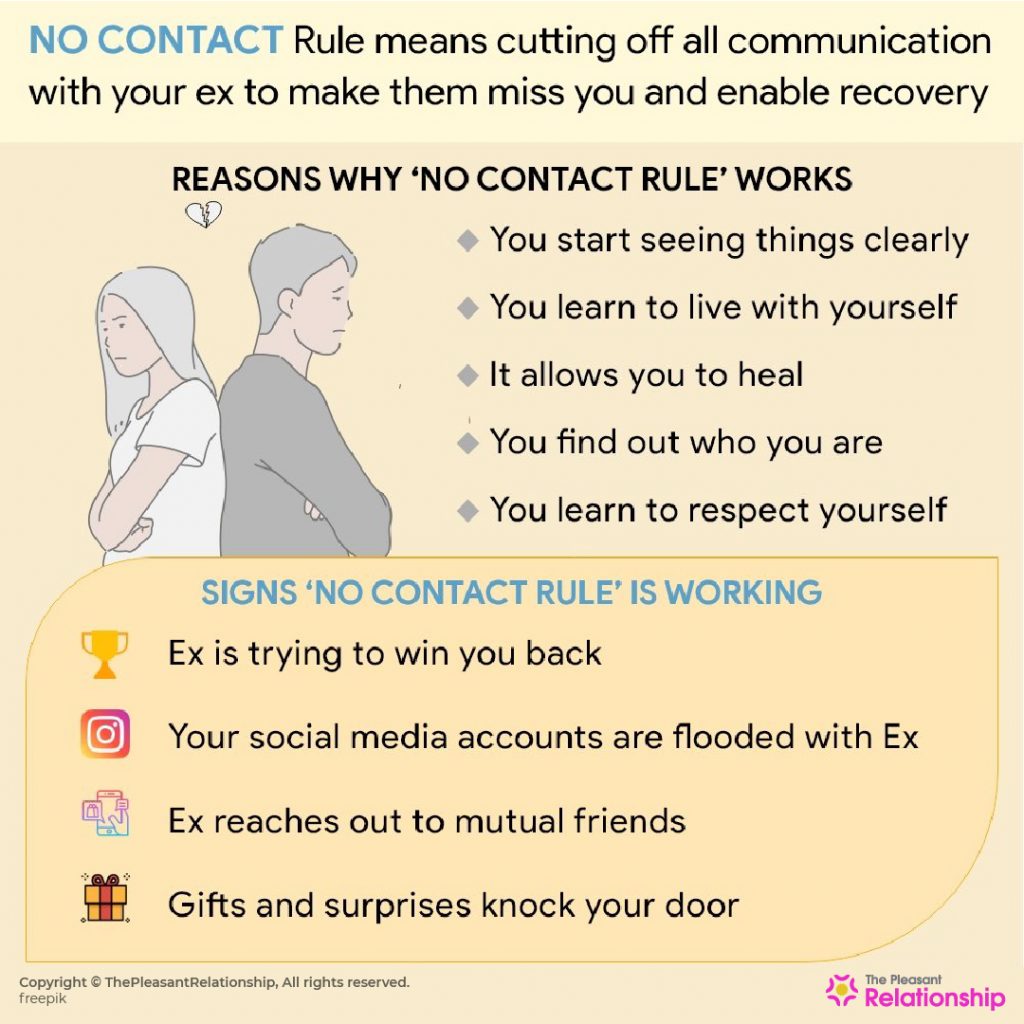
The dissolution of a romantic relationship is often a painful and disorienting experience. For those yearning for reconciliation, the "no contact rule" frequently emerges as a suggested strategy. This approach involves completely severing all communication â€" phone calls, texts, emails, social media interactions, and even indirect contact through mutual friends â€" with the former partner for a specified period. While proponents claim it fosters self-improvement, creates space for reflection, and increases the ex-partner's likelihood of missing the individual, its efficacy remains a subject of debate within the realm of relationship dynamics.
Understanding the Rationale Behind the No Contact Rule
The core premise of the no-contact rule hinges on several psychological principles. Primarily, it aims to shift the power dynamic from a state of constant pleading or chasing to one of self-assured detachment. By removing oneself from the equation of immediate availability and interaction, the individual hopes to spark curiosity and re-evaluation in their ex-partner. The absence of regular contact can lead to a reevaluation of the relationship's value, prompting a reconsideration of the decision to separate.
Creating Space for Self-Reflection and Growth
A crucial, often overlooked, aspect of the no-contact rule is its potential for fostering personal growth. The mandated period of silence provides an opportunity for introspection. Individuals can reflect on their role in the relationship's demise, identify personal shortcomings, and work towards self-improvement. This process of self-discovery can lead to a more confident and secure individual, better equipped for future relationships, whether or not reconciliation occurs.
Generating Curiosity and Missing the Individual
The abrupt cessation of contact can, in some cases, trigger a sense of curiosity and even longing in the ex-partner. The absence of the previously consistent communication might lead them to question their decision, ponder the positive aspects of the relationship, and ultimately miss the individual's presence in their life. This psychological effect, driven by the principles of scarcity and reactance, is a primary justification for the rule's proponents.
Allowing Time for Emotional Healing
The break from contact provides essential space for both parties to process their emotions and heal from the breakup. Constant communication often prolongs the grieving process and can prevent healthy emotional detachment. The period of no contact allows for emotional regulation, reducing the risk of impulsive actions or behaviors that may hinder reconciliation.
Evaluating the Effectiveness of the No Contact Rule
Despite its theoretical appeal, the no-contact rule's effectiveness is not universally guaranteed. Several factors influence its success or failure. The nature of the breakup, the reasons for the separation, and the personalities of the individuals involved all play a significant role. A clean break, motivated by manageable issues, is far more conducive to a potential reconciliation than a bitter and acrimonious split fueled by deep-seated incompatibilities.
The Role of the Breakup's Circumstances
Breakups stemming from infidelity, significant breaches of trust, or abusive behavior are less likely to be successfully repaired through the no-contact method. These situations require significant work, often involving professional therapeutic intervention, to address underlying issues before any consideration of reconciliation can be responsibly entertained. The no-contact rule, in such instances, may serve more as a period of self-preservation and healing than as a strategy for reconciliation.
The Importance of Individual Personalities and Communication Styles
The success of the no-contact rule also depends on the personalities of those involved. Individuals with anxious attachment styles might find the period of silence exceptionally challenging, potentially leading to obsessive thoughts and behaviors that undermine the intended effect. Conversely, individuals with avoidant attachment styles might find the absence of pressure more conducive to reflection and eventual reconnection.
The Duration of No Contact
The optimal duration of the no-contact period is also a matter of debate. A period too short might not allow for sufficient emotional processing or create the desired effect on the ex-partner. Conversely, an excessively long period could lead to the ex-partner moving on, making reconciliation less likely. There is no one-size-fits-all answer; the appropriate duration must be carefully considered based on individual circumstances.
Potential Drawbacks and Considerations
The no-contact rule, while often portrayed as a straightforward solution, presents several potential drawbacks. It is not a guaranteed path to reconciliation, and its application requires careful consideration of the specific dynamics at play. Furthermore, the lack of communication can be misinterpreted, leading to further misunderstandings or resentment.
Risk of Misinterpretation and Misunderstanding
The absence of communication can be easily misinterpreted. The ex-partner might perceive the no-contact period as a sign of disinterest or indifference, potentially hardening their resolve to move on. The lack of clarity can amplify existing feelings of rejection or abandonment.
Difficulties in Maintaining No Contact
Maintaining complete no-contact can be extraordinarily difficult, especially in situations where there are shared social circles, children, or joint property. The temptation to reach out, particularly during moments of vulnerability or emotional distress, can undermine the entire strategy. Strong self-discipline and a clear understanding of the reasons behind the chosen approach are crucial for success.
The Importance of Self-Care and Professional Support
The no-contact rule should not be undertaken in isolation. It's crucial to prioritize self-care during this period. Engaging in activities that promote personal well-being, such as exercise, mindfulness practices, and social interaction with supportive friends and family, is essential. Seeking professional support from a therapist or counselor can also provide valuable guidance and emotional support throughout the process.
Conclusion: A Balanced Perspective
The no-contact rule is not a magical solution guaranteed to reunite former partners. Its efficacy depends on a complex interplay of factors, including the nature of the breakup, the personalities of the individuals involved, and the careful execution of the strategy itself. While it can provide valuable time for self-reflection, healing, and potentially creating space for re-evaluation in the ex-partner, it's crucial to approach it with realistic expectations and a focus on personal well-being. Ultimately, focusing on personal growth and emotional healing should remain the primary objectives, irrespective of whether reconciliation ultimately occurs. The no-contact rule should be considered a tool, not a guarantee.
Disclaimer: This article provides general information and should not be considered professional advice. If you are struggling with a breakup or relationship issues, seeking guidance from a qualified therapist or counselor is strongly recommended.


No comments:
Post a Comment