How to Get Your Ex-Girlfriend Back After Taking a Break

How to Get Your Ex-Girlfriend Back After Taking a Break

Reclaiming a Lost Connection: A Guide to Reconciliation After a Relationship Break

The decision to take a break in a relationship is often fraught with complexity and emotion. While intended as a period of self-reflection and potential revitalization, such a hiatus can easily lead to a complete severance of ties. If you find yourself yearning to rekindle the flame with your ex-girlfriend following a break, understanding the nuances of the situation and employing a strategic, respectful approach is paramount. This comprehensive guide outlines a meticulous plan to navigate this delicate situation, maximizing your chances of reconciliation while preserving your dignity and respect for her autonomy.

Understanding the Root Causes of the Break

Before embarking on any reconciliation attempt, a thorough introspection is crucial. It is imperative to understand the underlying reasons that led to the decision to take a break in the first place. Was it a lack of communication, unresolved conflicts, differing life goals, or a combination of factors? Identifying the core issues is the first, and arguably most important, step towards a successful reconciliation.

Honest Self-Assessment:

Honesty with oneself is paramount. Avoid the temptation to blame your ex-girlfriend entirely. Acknowledge your own contributions to the difficulties in the relationship. Were you inattentive, emotionally unavailable, or did you fail to address her concerns adequately? A frank appraisal of your shortcomings will not only aid in self-improvement but also demonstrate sincerity during your attempts at reconciliation.

Identifying Recurring Patterns:

Consider whether the issues that led to the break are recurring patterns in your relationships. Understanding these patterns can prevent them from resurfacing in future relationships, regardless of the outcome with your ex-girlfriend. This demonstrates a commitment to personal growth and maturity, which can be very appealing to your ex-partner.

Seeking External Perspective:

Discussing the situation with a trusted friend, family member, or therapist can provide valuable insights and a fresh perspective. An unbiased opinion can help you identify blind spots and strategize effectively for reconciliation. This external perspective can offer crucial guidance, especially in navigating emotionally charged situations.

Respecting the Break and Her Space

During the break, respecting your ex-girlfriend's need for space is critical. Bombarding her with calls, texts, or visits will likely push her further away. Instead, allow her the time and autonomy she needs for self-reflection. Respecting her boundaries demonstrates maturity and consideration, essential qualities for any successful relationship.

Minimizing Contact:

Resist the urge to constantly contact her. Limited contact, if any, should be kept brief and respectful, focusing on practical matters only if absolutely necessary. Overwhelming her with communication will only hinder your chances of reconciliation.

Focusing on Self-Improvement:

Use this time to focus on personal growth and self-improvement. Address the issues you identified during your self-assessment. Engage in activities that promote personal well-being, such as exercise, hobbies, or pursuing personal goals. This demonstrates a commitment to change and personal growth, which can be incredibly attractive.

Demonstrating Respect for Her Decisions:

Regardless of your feelings, respect her right to make her own decisions. Accept the possibility that she may not want to reconcile, and respect her choice. This maturity and understanding will go a long way in showing her your growth and consideration.

Initiating Contact and the Path to Reconciliation

After a suitable period of space and self-reflection, you can consider initiating contact. However, this must be done with caution and sensitivity. The aim is to demonstrate genuine remorse, a willingness to change, and a sincere desire to reconnect.

Choosing the Right Time and Method:

Select a time and method of contact that respects her space and preferences. A brief, sincere text message or email may be more appropriate than a phone call or in-person meeting initially. Gauge her response before escalating the level of contact.

Expressing Genuine Remorse and Taking Responsibility:

Avoid making excuses or placing blame. Instead, express genuine remorse for your role in the relationship's difficulties. Take full responsibility for your actions and acknowledge the hurt you may have caused. Authenticity is paramount here.

Proposing a Low-Pressure Meeting (If Appropriate):

If her response is positive, suggest a low-pressure meeting in a neutral and comfortable setting. Avoid pressuring her into anything. The focus should be on open and honest communication, listening to her perspective, and expressing your willingness to work on the relationship.

Active Listening and Empathy:

During any interaction, practice active listening. Pay close attention to what she says, both verbally and nonverbally. Show empathy and understanding for her feelings and perspective. Allow her to express herself without interruption.

Rebuilding Trust and Strengthening the Relationship

Reconciliation is not a single event but a process requiring continuous effort and commitment from both parties. Rebuilding trust takes time and consistent demonstration of commitment to change.

Consistent and Reliable Behavior:

Consistency is key. Follow through on your promises and demonstrate reliable behavior. This builds trust and confidence in your commitment to the relationship.

Open and Honest Communication:

Maintain open and honest communication. Address conflicts constructively and respectfully. Avoid sweeping issues under the rug, as this will only create future problems.

Demonstrating Patience and Understanding:

Reconciliation requires patience and understanding. There may be setbacks along the way. Maintain a calm and patient approach, always prioritizing open communication and mutual respect.

Seeking Professional Help (If Necessary):

If you are struggling to navigate the reconciliation process, consider seeking professional help from a relationship counselor or therapist. They can provide guidance and support in rebuilding your relationship and developing healthy communication patterns.

Ultimately, the success of any reconciliation attempt depends on both individuals’ willingness to work towards a healthier, more fulfilling relationship. This process requires honesty, self-reflection, respect, and a genuine commitment to change. While there's no guarantee of success, following these steps significantly increases your chances of rekindling a lost connection and building a stronger, more resilient relationship.

Share:

How to Cope with a Breakup When You Feel Completely Heartbroken

How to Cope with a Breakup When You Feel Completely Heartbroken

Heartbreak Hotel: Your Guide to Surviving (and Thriving After) a Devastating Breakup

Okay, let's be real. Breakups suck. Like, really suck. That pit in your stomach? The constant ache in your chest? The feeling like someone stole your favorite sweater and replaced it with a lumpy sack of potatoes? Yeah, I get it. I've been there. We've all been there (or at least, most of us). This isn't about magically erasing the pain â€" because that's not realistic. This is about navigating the wreckage, finding your footing, and eventually, rediscovering yourself and your amazing life beyond the relationship.

Allow Yourself to Feel (Seriously!)

The first, and possibly hardest, step is to let yourself grieve. Don't try to bottle it up, don't pretend you're fine, and definitely don't let anyone pressure you into "getting over it" quickly. Heartbreak is a legitimate form of grief; you’ve lost something significant â€" a relationship, a future you envisioned, a sense of stability. It takes time to process that loss.

The Crying Stage (Embrace It!)

Cry. Scream into a pillow. Have a good, ugly cry. Let those tears flow. Suppressing your emotions will only prolong the healing process. Don't feel embarrassed or ashamed. It's okay to not be okay.

The Anger Stage (Channel It Constructively!)

Anger is a completely normal response to a breakup. You might be furious at your ex, at yourself, or even at the universe. Instead of lashing out, find healthy ways to channel that anger. Go for a run, hit the gym, write in a journal, or punch a pillow (just make sure it can handle it!).

The Sadness Stage (Self-Compassion is Key!)

Sadness is inevitable. Allow yourself to feel the sadness, the loneliness, the emptiness. Be kind to yourself during this time. It's okay to indulge in self-care activities, like watching sad movies (guilty pleasure!), eating your favorite comfort food (in moderation, of course!), or snuggling up with a pet.

Building Your Support System

This is crucial. Don't try to go through this alone. Lean on your friends and family for support. Let them know you need them, and don't be afraid to ask for help. This might mean needing someone to listen, someone to distract you, or someone to just bring you ice cream.

Reaching Out

Make a list of people you trust and reach out to them. Even if you don't feel like talking, just their presence can be comforting. You might be surprised by how much support is available to you.

Setting Boundaries

While leaning on others is important, also remember to set healthy boundaries. Don't let anyone pressure you into doing things you're not ready for. It's okay to say no, to need space, or to need time to heal.

Taking Care of Yourself (Physically and Mentally)

Self-care isn't selfish; it's essential, especially during a difficult time. Focus on your physical and mental well-being. This is not about becoming a super-human overnight; it's about small, manageable steps.

Prioritize Sleep

I know, easier said than done. But aim for at least 7-8 hours of sleep each night. Sleep deprivation will only amplify your negative emotions.

Eat Nutritious Food

Comfort food has its place, but don't rely on it entirely. Fuel your body with healthy foods that give you energy and support your overall well-being.

Exercise Regularly

Physical activity releases endorphins, which have mood-boosting effects. Even a short walk can make a difference.

Engage in Activities You Enjoy

Rediscover your hobbies, spend time with friends, or try something new. Anything that brings you joy and helps you to feel good about yourself.

Limit Contact with Your Ex

This might be the hardest one, but it's vital for your healing. Unfollow them on social media, avoid places you know they frequent, and resist the urge to contact them. It's okay to take a break from the shared memories.

Looking Ahead: Finding Yourself Again

A breakup can be a catalyst for personal growth. Use this time to reflect on yourself, your values, and what you want in the future. This is your opportunity to reinvent yourself, to pursue your passions, and to build an even stronger, more authentic version of yourself.

Journaling

Writing down your thoughts and feelings can be incredibly therapeutic. It helps you to process your emotions and gain clarity.

Setting Goals

Having something to look forward to can be incredibly motivating. Set small, achievable goals for yourself, both big and small.

Exploring New Interests

Take this chance to try something you've always wanted to do, whether it's learning a new language, taking a cooking class, or joining a hiking group.

Professional Help

If you're struggling to cope, don't hesitate to seek professional help. A therapist can provide support, guidance, and tools to help you navigate this challenging time.

Remember This:

Healing takes time. There's no magic cure for heartbreak. Be patient with yourself, celebrate your small victories, and remember that you are worthy of love and happiness. This is not the end of your story; it's just a chapter. A difficult one, yes, but a chapter that will ultimately make you stronger and wiser.

Frequently Asked Questions

Q: How long does it take to get over a breakup?

A: There's no set timeline. It varies from person to person depending on the length of the relationship, the circumstances of the breakup, and your individual coping mechanisms. Be patient with yourself.

Q: Should I try to stay friends with my ex?

A: It's generally recommended to give yourself space and time before considering friendship. Focus on your own healing first. If you choose to pursue friendship later, ensure it’s healthy for both of you and doesn't hinder your individual growth.

Q: Is it normal to feel angry at my ex?

A: Absolutely! Anger is a common and normal emotion after a breakup. Allow yourself to feel it, process it, and find healthy ways to release it.

Q: I keep checking my ex's social media. What should I do?

A: Unfollow them! Delete their number if you need to. Social media can be a major trigger, making it harder to move on. Give yourself the space you need to heal without that constant reminder.

Q: I feel like I'll never love again. Is this true?

A: That feeling is completely understandable, especially when you're in the depths of heartbreak. But it's not true. With time and healing, you will find love again â€" perhaps even a love that’s better suited to you.

Share:

When Your Ex Moves On Quickly: Coping with Jealousy and Insecurity

When Your Ex Moves On Quickly: Coping with Jealousy and Insecurity

When Your Ex Moves On Quickly: Coping with Jealousy and Insecurity

The termination of a romantic relationship, regardless of the circumstances, often evokes a complex tapestry of emotions. While sadness, grief, and a sense of loss are common and expected responses, the observation of an ex-partner moving on rapidly can trigger intense feelings of jealousy and insecurity, potentially exacerbating the already difficult process of healing. Understanding the root causes of these feelings, and employing effective coping mechanisms, is crucial for navigating this challenging period and fostering personal growth.

Understanding the Roots of Jealousy and Insecurity

The experience of an ex-partner swiftly forming a new relationship can be profoundly unsettling. This reaction is rarely solely about the new partner; rather, it often reflects deeper insecurities and unresolved issues within the individual experiencing these emotions. Several factors contribute to this heightened emotional vulnerability:

Self-Esteem and Self-Worth

Low self-esteem is frequently a contributing factor to intense jealousy following a breakup. Individuals with low self-esteem may interpret their ex-partner's rapid movement into a new relationship as a confirmation of their perceived inadequacies or unworthiness. They may question their value and attractiveness, leading to feelings of inadequacy and self-doubt.

Attachment Styles and Relationship Dynamics

Attachment theory posits that early childhood experiences shape our adult relationships and emotional responses. Individuals with anxious-preoccupied attachment styles, for example, tend to be more sensitive to perceived rejection and may experience heightened jealousy and insecurity when their partners move on quickly. Similarly, individuals who were involved in relationships characterized by codependency or unhealthy power dynamics may struggle with the sudden shift in their emotional landscape, interpreting their ex-partner's new relationship as a personal rejection.

The Illusion of Control and Perceived Rejection

The ending of a relationship often involves a loss of control over a significant aspect of one's life. Witnessing an ex-partner quickly enter a new relationship can reinforce this sense of loss of control, triggering feelings of powerlessness and resentment. Moreover, the rapid transition can be interpreted as a form of rejection, amplifying feelings of inadequacy and worthlessness. This perceived rejection can be particularly acute if the relationship ended unexpectedly or under circumstances that left lingering questions and unresolved issues.

Social Comparison and Societal Expectations

Societal pressures and the ubiquitous nature of social media contribute to the intensification of these feelings. Exposure to idealized portrayals of relationships, coupled with the constant comparison of one's own experiences to those of others, can exacerbate feelings of inadequacy and fuel the perception that moving on rapidly is the "norm" or even desirable. This societal pressure can lead individuals to judge their own healing process negatively, intensifying feelings of failure and inadequacy.

Effective Coping Strategies: Reclaiming Emotional Equilibrium

Coping with the emotional turmoil triggered by an ex-partner's rapid movement into a new relationship necessitates a multifaceted approach that prioritizes self-compassion, emotional regulation, and personal growth. The following strategies can prove invaluable:

Prioritizing Self-Care

Engaging in self-care practices is paramount during this emotionally challenging period. This encompasses a holistic approach to well-being, including:

  • Physical well-being: Maintaining a healthy diet, exercising regularly, and ensuring adequate sleep are crucial for emotional resilience.
  • Mental well-being: Engaging in mindfulness practices, such as meditation or yoga, can help manage stress and anxiety.
  • Emotional well-being: Allowing oneself to experience and process emotions without judgment is vital. Journaling can be a valuable tool for emotional expression and self-reflection.
  • Social well-being: Maintaining healthy social connections and seeking support from trusted friends and family members is essential.

Challenging Negative Thoughts and Cognitive Restructuring

Jealousy and insecurity often stem from negative thought patterns and cognitive distortions. It is crucial to challenge these negative thoughts actively by identifying and reframing them. Techniques such as cognitive behavioral therapy (CBT) can provide valuable tools for identifying and modifying these unhelpful thought patterns. This involves questioning the validity of negative assumptions, replacing them with more realistic and balanced perspectives, and focusing on one's strengths and accomplishments.

Focusing on Personal Growth and Self-Improvement

The end of a relationship presents an opportunity for personal growth and self-discovery. Instead of dwelling on the past, individuals can channel their energy into pursuing personal goals, developing new skills, and exploring new interests. This can boost self-esteem, fostering a sense of accomplishment and empowerment. This may include pursuing educational opportunities, engaging in creative endeavors, or focusing on career advancement.

Seeking Professional Support

If feelings of jealousy and insecurity are overwhelming and persistent, seeking professional support from a therapist or counselor can be immensely beneficial. Therapy provides a safe and confidential space to explore underlying emotional issues, develop healthy coping mechanisms, and foster emotional healing. A therapist can help individuals understand the root causes of their emotional distress and develop personalized strategies for managing their feelings effectively.

Limiting Exposure to Triggers

Minimizing exposure to triggers that intensify feelings of jealousy and insecurity is crucial. This may involve limiting contact with the ex-partner, avoiding social media platforms where their new relationship is prominently displayed, and temporarily disconnecting from social circles that constantly remind one of the past relationship.

Acceptance and Moving Forward

Ultimately, accepting that the relationship has ended and that the ex-partner has moved on is a vital step in the healing process. This does not mean condoning any hurtful actions, but rather acknowledging the reality of the situation and freeing oneself from the emotional burden of constantly revisiting the past. Focusing on the future, embracing self-compassion, and actively working towards personal growth are key to overcoming jealousy and insecurity and building a fulfilling life after a breakup.

The journey of healing after a breakup is unique to each individual. Patience, self-compassion, and a commitment to personal growth are essential components of navigating this challenging period. By understanding the root causes of jealousy and insecurity and implementing effective coping strategies, individuals can reclaim their emotional equilibrium and embark on a path towards greater self-awareness and a brighter future.

Share:

How to Get Your Ex Back and Start a Healthier Relationship

How to Get Your Ex Back and Start a Healthier Relationship

Rekindling the Flame: Winning Back Your Ex and Building a Stronger Relationship

Heartbreak is a universal experience, and the desire to reconnect with an ex is a common response. But simply wanting your ex back isn't enough; you need a strategic approach that prioritizes self-reflection, genuine change, and a commitment to building a healthier, more fulfilling relationship. This article provides a roadmap, focusing on actionable steps you can take to increase your chances of reconciliation and, more importantly, creating a relationship built on mutual respect and understanding. Forget the manipulative tactics; this is about genuine growth and connection.

Understanding the Breakup: A Necessary First Step

Before you even consider reaching out, take time for introspection. Honest self-reflection is paramount. Avoid blaming your ex entirely; instead, analyze your role in the relationship's demise. What were your contributing factors? Did you consistently neglect their needs? Did communication break down? Were you controlling or disrespectful? Identifying your shortcomings is crucial for personal growth and showing your ex you've changed. This isn't about admitting fault for the sake of it; it's about genuine accountability for your actions and a commitment to personal betterment.

Identifying Your Mistakes

Create a list of specific behaviors or patterns that contributed to the breakup. Were you overly reliant on them? Did you struggle with jealousy or insecurity? Did you fail to express your needs effectively? The more specific you are, the clearer your understanding will become. This self-assessment will not only help you understand why the relationship ended but also guide your efforts to build a healthier future, should reconciliation be possible.

Giving Your Ex Space and Focusing on Yourself

Reaching out immediately after a breakup rarely works. Respect your ex's need for space. This period of separation is invaluable for both of you. Use this time for self-improvement. Focus on your personal growth: pursue hobbies, reconnect with friends and family, and work on addressing the issues you identified in the previous step. This self-improvement isn't just for your ex; it's for you. By focusing on becoming a better version of yourself, you'll increase your self-confidence and build a stronger foundation for any future relationship.

Prioritizing Self-Care and Personal Growth

Engage in activities that nourish your mind, body, and soul. This might involve exercise, meditation, therapy, pursuing a new skill, or simply spending time in nature. The key is to invest in yourself, proving to your ex (and yourself) that you're capable of independent happiness and personal growth. This demonstrates maturity and a healthy sense of self-worth â€" qualities highly attractive in a partner.

Reaching Out Responsibly: The Art of the Apology and the Honest Conversation

After a period of no contact (the length depends on the severity of the breakup and your individual circumstances), consider reaching out. This isn't about begging or pleading; it's about honest communication. Begin by acknowledging your past mistakes sincerely and specifically. Avoid making excuses; instead, own your actions and express remorse for the hurt you caused. The goal isn't to force reconciliation but to open a dialogue that respects their feelings and allows for a mature conversation about the possibility of rebuilding trust.

Preparing for a Meaningful Conversation

Before contacting your ex, carefully consider what you want to say. Practice what you'll say to ensure your message is clear, concise, and respectful. Focus on expressing your remorse and willingness to work on yourself. Be prepared to listen to their perspective without interruption or defensiveness. Remember, this conversation is about understanding and mutual respect, not about winning them back.

Building a Healthier Relationship: A Foundation of Trust and Respect

If your ex agrees to reconnect, understand that rebuilding trust takes time and consistent effort. Open and honest communication is essential. Actively listen to their concerns, validate their feelings, and work collaboratively to resolve conflicts. Commit to establishing healthy boundaries and respecting each other's individual needs. By focusing on mutual growth and understanding, you can create a stronger, more fulfilling relationship than before.

Ongoing Communication and Commitment to Growth

Regularly check in with each other, openly discussing your feelings, needs, and concerns. Be willing to compromise and seek professional guidance if necessary. Remember, building a healthy relationship requires ongoing effort, commitment, and a willingness to learn and grow together. Rebuilding trust and fostering a healthy dynamic takes time and patience, but the rewards of a strong, respectful relationship are immeasurable.

Share:

How to Stop the Constant Thoughts About Your Ex and Find Closure

How to Stop the Constant Thoughts About Your Ex and Find Closure

Breaking Free: How to Stop Thinking About Your Ex and Find Closure

Okay, let's talk about something we've all probably been through (or are currently going through): that agonizing, relentless loop of thoughts about your ex. It's like they've installed a permanent residency in your brain, and eviction seems impossible. But trust me, it *is* possible. Finding closure and moving on isn't a magical overnight fix, it's a process. A process that requires time, effort, and a healthy dose of self-compassion. This isn't about forgetting them â€" it's about freeing *yourself* from their grip on your emotions and your future.

Understanding the Why Behind the Constant Thoughts

Before we dive into solutions, let's address the "why." Why are you stuck on your ex? It's rarely just one thing, it's often a cocktail of emotions and unresolved issues. Here are some common culprits:

Unresolved Feelings

Maybe you're still heartbroken, angry, confused, or a mix of all three. These raw emotions fuel those constant thoughts, keeping the past alive in your present.

The "What Ifs" and Regrets

Our brains are amazing at generating "what if" scenarios. What if I had done this differently? What if we had tried harder? These questions can plague us, particularly if the relationship ended abruptly or on less-than-ideal terms.

Shared Memories and Routines

Every song, place, or activity you associate with your ex can trigger a flood of memories. These aren't necessarily bad memories, but they're reminders of a significant part of your life that's now gone. This is especially true if you shared a home, friends, or similar routines.

Lack of Closure

Sometimes, the lack of a proper explanation or a clear understanding of why things ended can leave you feeling lost and confused. This lack of closure can keep you stuck in a loop of questioning and speculation.

Practical Steps to Break Free

Now for the good part â€" the action plan. This isn't a one-size-fits-all solution, but it's a framework you can adapt to your specific situation.

Limit Exposure

This seems obvious, but it's crucial. Unfollow your ex on social media. Avoid places you know they frequent (at least for a while). Delete photos that trigger painful memories. This isn't about pretending they don't exist, it's about giving yourself space to heal.

Journal Your Feelings

Writing down your thoughts and feelings can be incredibly therapeutic. It allows you to process your emotions without judgment. Don't worry about making it perfect, just let it flow. You might even discover patterns in your thinking that you hadn't noticed before.

Talk to Someone

Sharing your feelings with a trusted friend, family member, or therapist can provide valuable support and perspective. Talking it out can help you gain clarity and feel less alone in your experience.

Embrace Self-Care

This is not a luxury, it's a necessity. Prioritize activities that nourish your mind, body, and soul. This could include exercise, meditation, spending time in nature, pursuing hobbies, or simply relaxing with a good book. Remember, you deserve to take care of yourself.

Focus on Your Future

Shifting your focus from the past to the future is key. Set goals for yourself, both big and small. What do you want to achieve? What kind of future do you envision for yourself? Focusing on these aspirations can help you redirect your energy and build a sense of purpose.

Forgive Yourself and Your Ex

Holding onto resentment and anger only hurts you in the long run. Forgiving yourself for any perceived mistakes and forgiving your ex for their part in the relationship's ending is a vital step towards healing and moving on. Forgiveness doesn't mean condoning their actions, it means releasing the negativity that's holding you back.

Allow Yourself to Grieve

Breakups are losses. It's okay to grieve the end of the relationship, the loss of the future you envisioned, and the loss of the person you shared your life with. Don't try to rush the process. Allow yourself the time and space you need to heal.

Consider Professional Help

If you're struggling to move on, don't hesitate to seek professional help from a therapist or counselor. They can provide guidance and support as you navigate this challenging time.

Signs You're Making Progress

It’s important to celebrate the small victories. Here are some signs that you're moving in the right direction:

  • You're thinking about your ex less frequently.
  • You're experiencing fewer intense emotional waves.
  • You're starting to enjoy activities and social interactions again.
  • You feel more hopeful about the future.
  • You're able to talk about your ex without feeling overwhelmed by emotion.
  • You're open to new relationships and experiences.

Remember, healing takes time. There will be good days and bad days. Be patient with yourself, celebrate your progress, and don't be afraid to ask for help along the way. You are strong, capable, and deserving of happiness.

Frequently Asked Questions (FAQs)

Here are some common questions people ask about getting over an ex and finding closure:

Q: How long does it take to get over an ex?

A: There's no magic number. It depends on the length of the relationship, the circumstances of the breakup, your personality, and the support you have. Be patient and kind to yourself. Some people heal quickly, others take longer.

Q: What if I keep having dreams about my ex?

A: Dreams are often a reflection of our subconscious mind. Dreams about your ex are common after a breakup. They don't necessarily mean you're not moving on; they simply mean your brain is still processing the experience.

Q: I still miss my ex, is that normal?

A: Absolutely! Missing your ex is perfectly normal. You shared a significant part of your life with this person, and it's natural to feel a sense of loss. Allow yourself to feel those feelings without judgment.

Q: What if I run into my ex unexpectedly?

A: Try to stay calm and composed. A brief, polite interaction is usually sufficient. You don't owe them a long conversation or explanation. Focus on your own well-being and protect your emotional space.

Q: My ex keeps contacting me, what should I do?

A: Set clear boundaries. Let them know you need space and aren't interested in further contact. If necessary, block their number and social media accounts. Your emotional well-being is paramount.

Remember, you're not alone. Many people go through this, and you will eventually move past this. Be patient, kind to yourself, and take one step at a time. You’ve got this!

Share:

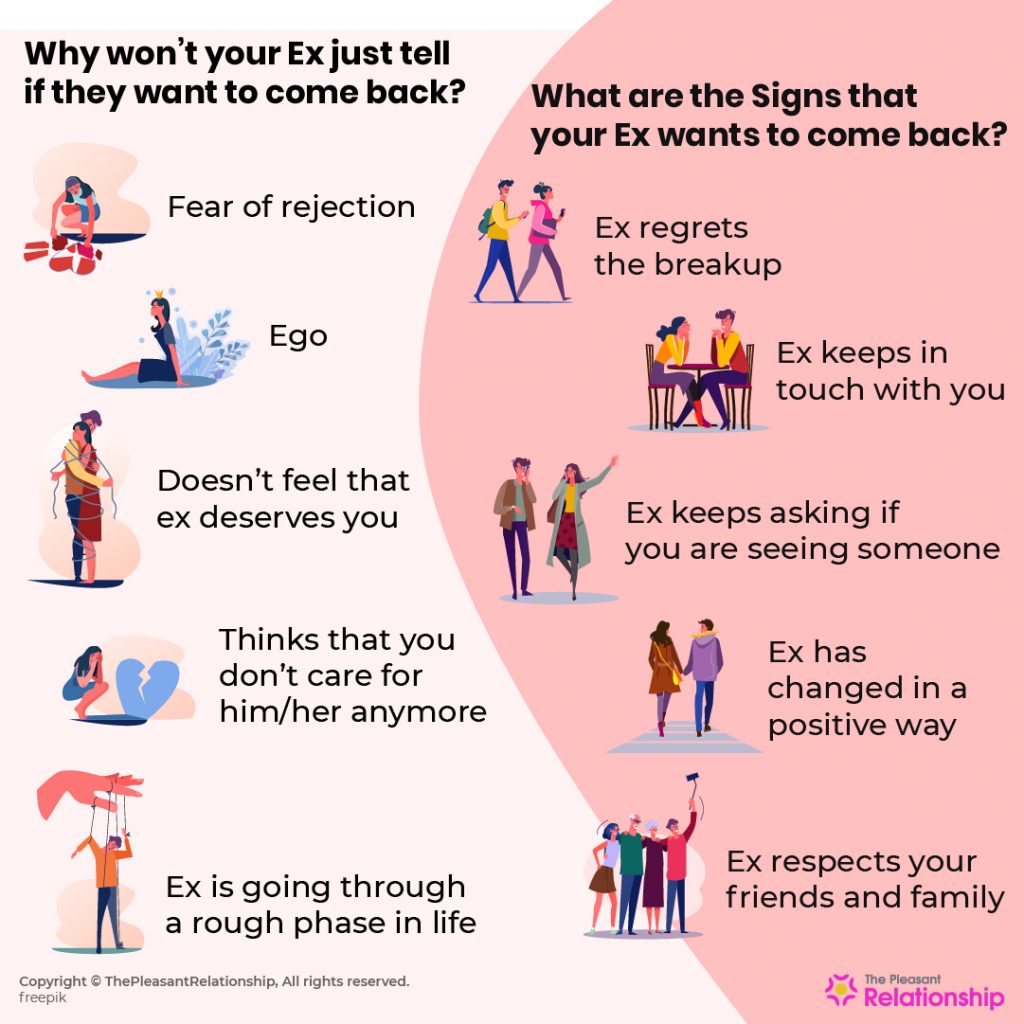
Will My Ex Come Back? Signs of Regret and What to Do About It

Will My Ex Come Back? Signs of Regret and What to Do About It

Will My Ex Come Back? Signs of Regret and What to Do About It

Okay, so you’re here because you’re wondering if your ex will come back. That's a tough question, and honestly, there's no magic crystal ball that can give you a definitive yes or no. But we can explore some signs that might suggest they're feeling some regret, and what you can do â€" or *not* do â€" in the meantime. Let's dive in!

Signs Your Ex Might Regret the Breakup

First things first: don't get your hopes up too high based on just one or two signs. Regret is a complex emotion, and it often manifests differently in different people. Look for a *pattern* of behavior, not just isolated incidents.

The Contact Conundrum: Are They Reaching Out?

This is a big one. Are they texting you, calling you, or "accidentally" liking your social media posts? This doesn't automatically mean they want you back, but it *could* indicate they miss you or are curious about your life. *
  • Casual check-ins: Are they asking about your day or how you're doing, even if it's just a brief message?
  • *
  • "Accidental" likes or comments: While some might be genuinely accidental, repeated instances could point to them stalking your profile â€" perhaps hoping for a sign from you.
  • *
  • Reaching out through mutual friends: If your ex is asking your friends about you, it’s a strong indication that they are at least thinking about you.
  • *
  • The "drunk dial" or text: This is a classic! While not always a reliable indicator, it could hint at suppressed feelings of regret.
  • However, be cautious! Sometimes, people reach out simply out of politeness or to close the chapter. Don’t jump to conclusions.

    The Social Media Silent Treatment... Or Not?

    What's happening on social media? Are they constantly posting cryptic messages about missing someone or regretting past decisions? Again, it’s crucial to look for patterns. A single sad post doesn’t mean they want you back, but a series of posts that align with your breakup could be a sign. Conversely, if they've completely scrubbed you from their social media, that could mean anything â€" they might be trying to move on, or they could be playing it cool.

    Changes in Behavior - Their Actions Speak Louder Than Words

    Are they suddenly acting differently? Have they changed their habits, like suddenly hitting the gym or focusing on self-improvement? This could be a sign that they're trying to become a better version of themselves, perhaps to win you back or simply to move forward.

    Mutual Friends' Whispers

    Sometimes, the best insights come from mutual friends. Are they hearing from your ex about how much they miss you, or how they regret the breakup? While you should be cautious about gossip, carefully consider information that seems consistent across several sources.

    What NOT to Do If You Think Your Ex Feels Regret

    Okay, so you've noticed some signs. Now, the crucial part: what should you *not* do? *
  • Don't bombard them with messages: Give them space. Too much contact can be overwhelming and push them further away.
  • *
  • Don't play games: Being manipulative or playing hard to get rarely works in the long run. Be genuine and upfront about your feelings, but don't force anything.
  • *
  • Don't stalk their social media: This will only lead to more heartache and potentially put you in a bad light if they find out.
  • *
  • Don't beg them to come back: This diminishes your self-worth and will likely push them away. Maintain your dignity.
  • *
  • Don't dwell on the past: Focus on your own healing and self-improvement. This will make you more attractive, regardless of whether your ex returns.
  • What TO Do If You Think Your Ex Feels Regret

    If you've seen consistent signs of regret and you’re ready to explore a reconciliation, here's what you can do: *
  • Work on yourself: Before even considering getting back together, focus on your own well-being. Therapy, hobbies, and self-care are crucial.
  • *
  • Reflect on the relationship: What went wrong? What could you have done differently? Honest self-reflection is essential for a healthy relationship â€" if you choose to rekindle things.
  • *
  • Communicate clearly and calmly: If you decide to initiate contact, do so respectfully and directly. Avoid blaming or accusatory language.
  • *
  • Listen to their perspective: Hear them out. Understanding their feelings and reasons for the breakup is crucial.
  • *
  • Set boundaries: Make it clear what you need and expect from a potential reconciliation.
  • *
  • Take things slowly: Don't rush into anything. A gradual reconnection is much healthier than jumping back into a full-blown relationship immediately.
  • Remember Your Worth

    Ultimately, whether or not your ex comes back is out of your control. Focus on your own happiness and well-being. Remember that you deserve to be with someone who truly values and appreciates you. If your ex doesn't return, it doesn't diminish your worth. It simply means that someone else is out there who will cherish you.

    Commonly Asked Questions

    Q: My ex keeps liking my old Instagram posts. Does that mean they regret the breakup?

    It *could* mean that, but it's not a sure thing. They might just be curious, or they could be trying to gauge your reaction. Look for a pattern of behavior, not just isolated instances.

    Q: How long should I wait before reaching out?

    There's no magic number. Give yourself time to heal and reflect. The length of time will also depend on the circumstances of your breakup. A week or two is often reasonable for casual check-ins, but weeks or even months might be beneficial for more serious breakups before you consider direct contact.

    Q: What if my ex starts dating someone new? Does that mean they've definitely moved on?

    It doesn't necessarily mean they've moved on emotionally, but it does suggest they're attempting to move on. Respect their new relationship. Focusing on your own life is crucial here.

    Q: Should I try to be friends with my ex?

    Only if you genuinely believe you can maintain a healthy friendship without hoping for a romantic reconciliation. Often, this is difficult immediately after a breakup. Give yourself time to heal and focus on yourself before even considering a friendship.

    Remember, this is a journey, not a race. Take your time, be kind to yourself, and focus on becoming the best version of you. Good luck!
    Share:

    How to Let Go of Your Ex and Start Loving Yourself Again

    How to Let Go of Your Ex and Start Loving Yourself Again

    How to Let Go of Your Ex and Start Loving Yourself Again

    Okay, so your heart's been stomped on. You're reeling. Maybe you initiated the breakup, maybe you didn't â€" either way, it hurts like heck. Letting go of an ex isn't easy; it's messy, it's emotional, and it feels like climbing Mount Everest in flip-flops. But trust me, you can do it. And not only that, you'll come out stronger, wiser, and with a newfound appreciation for…you! This isn't just about getting over someone; it's about rediscovering your amazing self.

    Accepting the Reality of the Situation

    This is the hardest part, but also the most crucial. Denial is a tempting comfort blanket, but it won't keep you warm for long. You need to face the facts, however painful they may be. This might involve acknowledging things you weren't ready to see before: maybe the relationship wasn't as healthy as you thought, maybe you weren't getting your needs met, or maybe it just simply ran its course. Whatever the reason, accepting the end is the first step towards healing.

    Allow Yourself to Grieve

    Don't bottle up your emotions. Cry, scream into a pillow, write angry poems â€" whatever you need to do to process your pain. Grief isn't linear; it's a rollercoaster, with ups and downs. There will be days when you feel okay, and days when you feel like you're falling apart. That's completely normal. Be kind to yourself during this process. Don't judge your feelings; just let them flow.

    Avoid Contact (Seriously!)

    This is tough, I know. But checking their social media, texting them "just to see how they are," or even accidentally running into them will only prolong the pain. Unfollow them on everything, delete their number if you need to, and create some healthy distance. It's like ripping off a band-aid â€" it hurts initially, but the longer you wait, the more it stings.

    Reclaiming Your Identity

    Relationships often involve compromises and merging identities. When a relationship ends, you might feel lost, like a piece of yourself is missing. Now's the time to rediscover who you are outside of the relationship. What are your passions? What makes you tick? What did you put on the back burner while you were together?

    Rediscover Your Hobbies

    Remember that thing you loved doing before the relationship? Pick it up again! Whether it's painting, hiking, playing an instrument, or even just reading a good book, reconnecting with your hobbies will bring you joy and a sense of accomplishment.

    Explore New Interests

    Now's the perfect time to try something completely new! Always wanted to learn pottery? Take a class! Dreamt of traveling to a far-off land? Start planning that trip! Exploring new interests will not only keep you busy but also help you grow as a person.

    Spend Time with Supportive Friends and Family

    Lean on your support system. Talk to your friends and family about how you're feeling. They're there for you, and their love and support can make a world of difference. Don't isolate yourself; connection is key during this time.

    Prioritizing Self-Care

    This isn't about bubble baths and face masks (although those are great too!). Self-care is about actively nurturing your physical and emotional well-being. It's about making choices that prioritize your happiness and health.

    Exercise Regularly

    Exercise releases endorphins, which have mood-boosting effects. Even a short walk can make a difference. Find an activity you enjoy, whether it's yoga, running, swimming, or dancing. The goal isn't to become a fitness guru overnight; it's to move your body and feel good.

    Eat Nutritious Food

    Nourish your body with healthy foods. Avoid excessive junk food and alcohol, as these can worsen your mood and energy levels. Focus on whole foods like fruits, vegetables, and lean protein.

    Get Enough Sleep

    Sleep is crucial for both physical and mental health. Aim for 7-8 hours of quality sleep each night. Create a relaxing bedtime routine to help you unwind before bed.

    Forgiving Yourself and Your Ex

    Holding onto anger and resentment will only hurt you in the long run. Forgiving your ex doesn't mean condoning their actions; it means releasing the burden of negativity you're carrying. Similarly, forgive yourself for any mistakes you made in the relationship. We all make mistakes; it's part of being human.

    Practice Self-Compassion

    Be kind to yourself. Treat yourself with the same compassion and understanding you would offer a friend going through a similar experience. Remember that you're worthy of love and happiness.

    Journaling

    Writing down your thoughts and feelings can be incredibly therapeutic. It allows you to process your emotions in a safe and private space. Don't worry about grammar or spelling; just let your thoughts flow onto the page.

    Focusing on the Future

    Letting go of your ex is not just about the past; it's about creating a brighter future for yourself. What do you want your life to look like moving forward? Set goals, both big and small, and take steps to achieve them. This will give you a sense of purpose and direction.

    Remember, healing takes time. There's no magic wand or quick fix. Be patient with yourself, celebrate your progress, and know that you're not alone. You are strong, capable, and deserving of happiness. This is your chance to build an even better life, one that's filled with self-love and joy.

    Frequently Asked Questions

    Q: How long does it take to get over an ex?

    A: There's no set timeframe. It varies from person to person, depending on the length and intensity of the relationship, individual coping mechanisms, and other factors. Be patient with yourself and allow yourself the time you need to heal.

    Q: What if I keep thinking about my ex?

    A: It's normal to think about your ex, especially in the beginning. Try to redirect your thoughts when they arise. Focus on your hobbies, spend time with friends, or engage in activities that bring you joy. Journaling can also be helpful in processing these thoughts.

    Q: Should I try to be friends with my ex?

    A: This is entirely up to you. Some people can successfully maintain friendships with exes, while others find it too painful or difficult. Prioritize your emotional well-being. If being friends feels detrimental to your healing process, it's perfectly okay to maintain distance.

    Q: What if I don't feel better after a while?

    A: If you're struggling to cope with the breakup and are experiencing persistent sadness, anxiety, or other mental health challenges, don't hesitate to seek professional help. A therapist can provide support and guidance as you navigate this difficult time.

    Q: Is it okay to date again soon after a breakup?

    A: There's no right or wrong answer. Some people find solace in dating again relatively quickly, while others need more time to heal. Listen to your gut and don't feel pressured to jump into a new relationship before you're ready. Focus on self-love and healing before you open yourself up to another person.

    Share:

    The No Contact Rule: Is It Right for Your Situation?

    The No Contact Rule: Is It Right for Your Situation?

    The No Contact Rule: Is It Right for Your Situation?

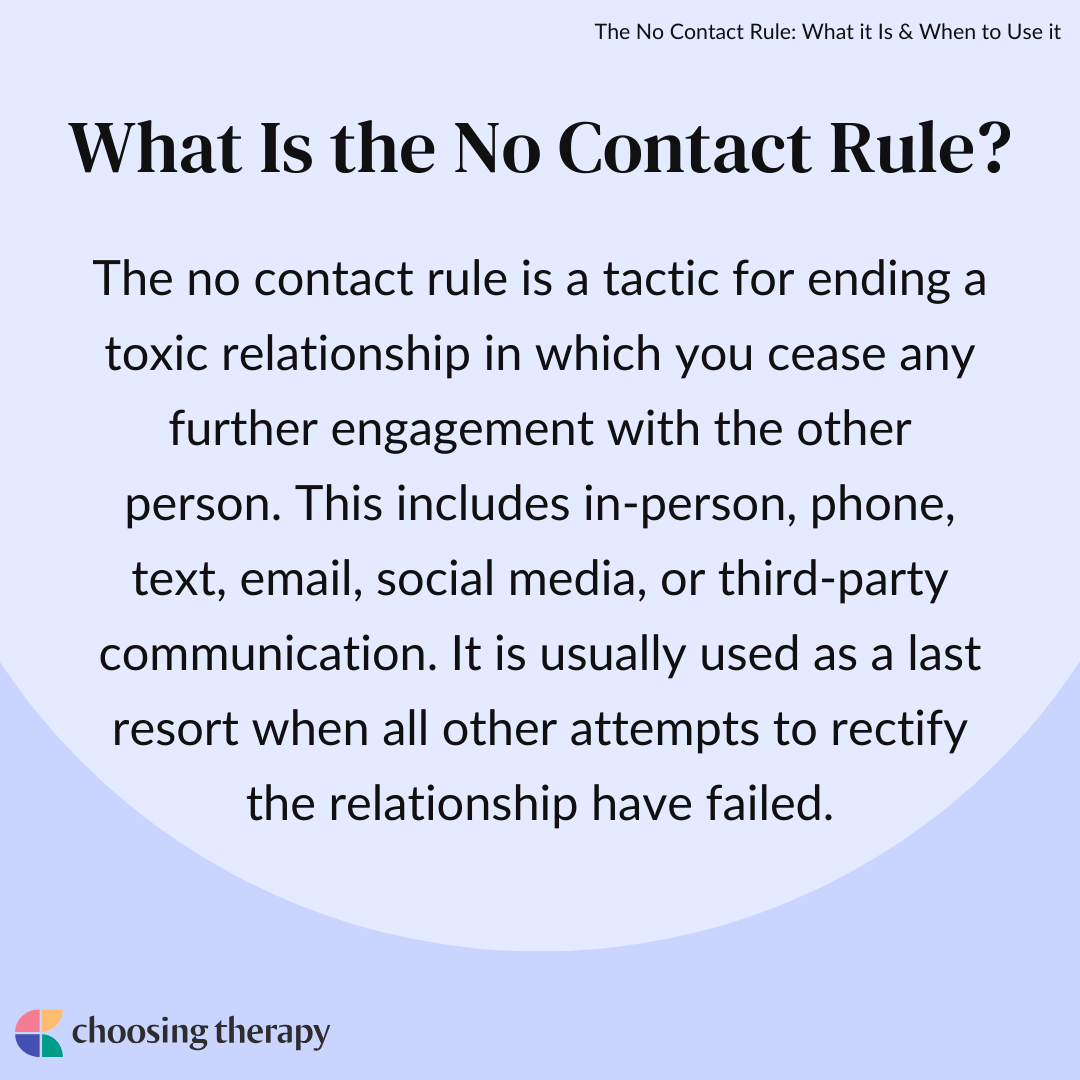
    The "no contact rule" (NCR), a strategy often recommended following a relationship breakup, dictates complete cessation of communication with the former partner. This includes all forms of contact: phone calls, texts, emails, social media interactions, and even indirect communication through mutual friends. While widely touted as a path to healing and self-discovery, its efficacy is not universally applicable. This article will explore the nuances of the no-contact rule, examining its potential benefits and drawbacks to determine its suitability for various situations.

    Understanding the Rationale Behind No Contact

    Proponents of the no-contact rule argue that severing ties facilitates several crucial aspects of post-breakup recovery. The primary benefit lies in emotional detachment. Constant communication, even seemingly innocuous interactions, can prolong the emotional pain and hinder the healing process. The ongoing connection fuels hope for reconciliation, preventing the individual from moving on and processing the loss.

    Breaking the Cycle of Reactivity

    Furthermore, the NCR helps break the cycle of reactivity. Many post-breakup interactions are driven by intense emotions â€" anger, sadness, longing, or a desperate need for closure. These emotionally charged exchanges rarely lead to productive outcomes and often exacerbate the pain and confusion. By eliminating contact, individuals can create space for emotional regulation and gain perspective on the relationship dynamics.

    Prioritizing Self-Reflection and Growth

    The enforced absence provided by the no-contact rule encourages introspection and self-reflection. Without the distraction of constant interaction with the former partner, individuals have the opportunity to explore their feelings, identify patterns of behavior within the relationship, and address underlying issues contributing to the breakup. This period of solitude fosters personal growth and self-improvement.

    Situations Where No Contact Might Be Beneficial

    The no-contact rule can be particularly effective in specific circumstances. It is often recommended in cases involving:

    • Abusive relationships: In situations marked by emotional, physical, or verbal abuse, the NCR is crucial for safety and well-being. Continued contact can expose the individual to further harm and hinder their escape from the abusive dynamic.
    • Relationships characterized by unhealthy codependency: When individuals are deeply enmeshed in a codependent relationship, the NCR can help establish healthy boundaries and prevent relapse into unhealthy patterns of behavior.
    • Breakups marked by high conflict: If the breakup was acrimonious, filled with accusations, and significant emotional turmoil, the NCR offers a period of calm to de-escalate tensions and prevent further conflict.
    • Situations where one partner is unwilling to accept the breakup: When one partner refuses to accept the end of the relationship and persistently pursues contact, the NCR protects the other partner from unwanted emotional pressure and manipulation.

    When No Contact May Not Be the Best Approach

    Despite its purported benefits, the no-contact rule is not a universally applicable solution. There are situations where it could be detrimental to the healing process or even counterproductive:

    • Mutual respect and amicable separation: If the breakup was amicable and both partners agree to remain friends or maintain a cordial relationship, enforcing no contact can unnecessarily strain the bond and create resentment.
    • Shared responsibilities: In situations involving shared custody of children, joint property ownership, or ongoing business partnerships, complete no contact may be impractical or even impossible. Maintaining necessary communication while setting clear boundaries is crucial.
    • Situations requiring closure: While prolonged contact can hinder healing, a respectful conversation aimed at achieving closure can be beneficial for both partners. This allows for a healthy acknowledgment of the relationship's end and the expression of unresolved feelings.
    • Pre-existing mental health conditions: Individuals struggling with pre-existing mental health conditions, such as anxiety or depression, may find the isolation imposed by the NCR exacerbates their symptoms. A tailored approach that addresses individual needs is paramount.

    Alternatives to Strict No Contact

    For those situations where complete no contact is not feasible or advisable, alternative strategies can be considered:

    • Limited contact with clear boundaries: This approach involves establishing specific guidelines for communication, focusing solely on practical matters and avoiding emotionally charged discussions.
    • Gradual reduction of contact: Rather than abruptly cutting off all communication, gradually reducing the frequency and intensity of interactions allows for a smoother transition and minimizes emotional upheaval.
    • Seeking professional support: Therapy or counseling can provide a safe and structured environment to process emotions, establish healthy coping mechanisms, and develop strategies for navigating post-breakup challenges.

    Conclusion: A Personalized Approach to Healing

    The no-contact rule, while a popular strategy, is not a one-size-fits-all solution to post-breakup healing. Its effectiveness depends heavily on the specific circumstances of the relationship and the individual's emotional needs. A thoughtful and individualized approach, considering the unique dynamics of the situation and the potential benefits and drawbacks of various strategies, is crucial for facilitating healthy recovery and personal growth. Sometimes, the most effective path to healing might involve carefully managed communication, while in other cases, complete separation is indeed necessary. The key is to prioritize self-care, emotional well-being, and a mindful approach to navigating the complexities of a relationship's end.

    Ultimately, the decision of whether or not to implement the no-contact rule rests solely on the individual. Seeking guidance from a therapist or counselor can provide valuable support in making an informed decision and developing a personalized healing plan.

    Share:

    How to Overcome Obstacles in Winning Back Your Ex

    How to Overcome Obstacles in Winning Back Your Ex

    Winning Back Your Ex: Conquering the Hurdles

    So, you want your ex back. That’s a big decision, and it’s okay to feel a rollercoaster of emotions â€" hope, fear, maybe even a little bit of desperation. But let’s be real, getting back together isn't a fairytale. There will be obstacles. Big ones. Small ones. And everything in between. This isn't about magically making them fall back in love overnight. It's about understanding the challenges and strategically navigating them. Think of it as a carefully planned expedition, not a reckless sprint.

    Understanding the Obstacles: Why Did It End in the First Place?

    Before we even think about winning your ex back, we need to address the elephant in the room: why did you break up? This is crucial. Ignoring the root cause is like trying to patch a hole in a sinking ship with a Band-Aid. It's not going to work long-term.

    Common Breakup Reasons & How to Address Them

    Let’s look at some common reasons relationships end and how you can approach them:

    • Lack of Communication: This is a HUGE one. If you weren't communicating effectively, you need to show genuine effort to improve. This means active listening, expressing your feelings honestly, and being open to hearing theirs.
    • Infidelity: This is incredibly difficult to overcome. Trust is shattered, and rebuilding it takes immense time and effort. You’ll need to demonstrate genuine remorse, consistent honesty, and a complete commitment to rebuilding their trust. It might not be possible, and that’s okay too.
    • Different Life Goals: Were your future aspirations incompatible? This is a tough one, as fundamental differences can be hard to reconcile. You need to honestly assess whether your goals are still misaligned and if you can find common ground. Maybe compromise is possible, but be realistic.
    • Personality Clashes: Are your personalities fundamentally incompatible? Some differences are charming, but others can be dealbreakers. Honest self-reflection is key. Can you adapt? Can they? Are the positives outweighing the negatives?
    • External Pressures: Was the relationship affected by family, friends, or other external factors? Addressing these issues might require setting boundaries and prioritizing your relationship.

    Honestly evaluating the reasons for the breakup is the first step to overcoming them. Don't sugarcoat things or blame your ex entirely. Take responsibility for your role in the breakdown.

    Strategies for Reconnecting and Rebuilding

    Okay, so you’ve identified the issues. Now, let's talk about how to actually reconnect and potentially rebuild the relationship.

    The No-Contact Rule (With a Twist)

    The infamous no-contact rule. It's often advised, and for good reason. It gives both of you space to reflect, miss each other (hopefully!), and allows the initial hurt to subside. But, a complete radio silence isn't always the best approach. A "modified no-contact" might be more effective. This means limiting contact significantly, but allowing for a brief, friendly check-in after a reasonable amount of time (a week or two, perhaps) to show you're thinking of them without being clingy.

    Improving Yourself: Personal Growth is Key

    This isn't about changing who you are to please your ex. It's about becoming a better version of yourself. Did the breakup highlight areas where you could grow? Were you unhappy with certain aspects of your life? Focus on self-improvement. Join a gym, take up a new hobby, work on your career, or address any personal issues that might have contributed to the relationship's demise. This shows self-respect and maturity â€" qualities that are attractive to anyone, including your ex.

    Showing, Not Telling

    Actions speak louder than words. Empty promises won’t cut it. You need to demonstrate the changes you've made and the things you've learned. This means consistent positive action over time, not grand gestures.

    Rebuilding Trust (The Hardest Part)

    If trust was broken, rebuilding it requires patience and consistency. Be honest, transparent, and accountable. Don’t make excuses. This might mean answering difficult questions honestly and even facing consequences for your past actions. It’s a long, tough road, and there's no guarantee of success, but honesty is crucial.

    Respect Their Space and Decisions

    Remember, your ex has the right to move on. Don't pressure them, guilt-trip them, or try to manipulate them. Respect their feelings and decisions, even if they're not what you want to hear. Accept their answer, whatever it may be.

    Knowing When to Walk Away

    This is crucial. Sometimes, despite your best efforts, getting back together isn't possible or healthy. Be prepared to accept this. It might hurt, but clinging to a lost cause will only prolong the pain. Recognize the signs: if your ex is consistently unresponsive, dismissive, or even hostile despite your efforts, it’s time to move on. Your well-being is paramount.

    Commonly Asked Questions

    • Q: How long should I wait before contacting my ex? A: There’s no magic number. It depends on the severity of the breakup and the reasons behind it. A week or two is often a good starting point for a brief, friendly check-in, but more serious situations might require a longer period of no contact.
    • Q: What if my ex is dating someone else? A: This makes things significantly more challenging. It’s important to respect their new relationship. If you still choose to try and reconnect, you need to be incredibly respectful and understand that you might not succeed.
    • Q: Should I apologize? A: Yes, if you've genuinely wronged your ex, a sincere apology is crucial. But avoid generic apologies; be specific about what you did wrong and express remorse for the hurt you caused.
    • Q: What if they don’t want to get back together? A: This is a painful possibility. Accept their decision and allow yourself time to grieve the loss of the relationship. Focus on your self-healing and moving forward.
    • Q: How do I know if it's worth trying to win them back? A: Honest self-reflection is key. Evaluate the relationship's strengths and weaknesses. Consider whether the issues that led to the breakup are truly addressable and whether both of you are willing to put in the work.

    Remember, winning back your ex isn’t about manipulation or games. It’s about genuine self-improvement, honest communication, and mutual respect. It's a challenging journey, and there’s no guarantee of success. But by approaching it with honesty, self-awareness, and respect, you’ll give yourselves the best possible chance.

    Share:

    Key Signs You Shouldn’t Get Back with Your Ex

    Key Signs You Shouldn’t Get Back with Your Ex

    Key Signs You Shouldn't Get Back with Your Ex

    The allure of reconciliation with a former partner is a powerful force. Memories of shared joy, intimacy, and companionship can cloud judgment, making it difficult to objectively assess the viability of rekindling the relationship. While the prospect of a second chance can be appealing, it's crucial to proceed with caution and careful consideration. A hasty reunion, fueled by nostalgia rather than rational assessment, can lead to repeated heartache and prolonged emotional distress. This article outlines key indicators suggesting that reuniting with an ex is not in your best interest.

    Persistent Negative Patterns and Unresolved Conflicts

    One of the most significant red flags indicating that a reconciliation is ill-advised lies in the persistence of negative patterns and unresolved conflicts that contributed to the initial breakup. Simply put, if the underlying issues that led to the relationship's dissolution haven't been addressed and resolved, there's little reason to believe that a second attempt will yield different results. Ignoring these fundamental problems will only serve to perpetuate the cycle of conflict and unhappiness.

    Recurring Arguments and Disagreements

    Did your relationship consist of frequent arguments and disagreements over the same issues? If so, this is a major warning sign. Recurring arguments indicate a fundamental incompatibility or a lack of willingness to compromise and address underlying differences. Returning to the relationship without addressing these recurring conflicts is akin to walking into a predictable minefield. The likelihood of facing the same disagreements, with the same intensity and outcomes, is high.

    Unresolved Trauma or Betrayal

    Significant breaches of trust, such as infidelity or emotional abuse, leave deep emotional scars that are not easily healed. While forgiveness is possible, it requires significant time, effort, and professional guidance. Returning to a relationship marked by trauma or betrayal before genuine healing has taken place risks reopening old wounds and exacerbating emotional distress. The likelihood of the same behavior repeating itself is substantial, leading to a cycle of pain and distrust.

    Lack of Personal Growth and Self-Reflection

    Following a breakup, a period of introspection and personal growth is essential for both individuals. Has your ex demonstrated a willingness to acknowledge their role in the relationship's demise and undertaken steps towards self-improvement? A lack of personal growth and a failure to take responsibility for past mistakes suggest that the underlying issues remain unresolved and are likely to resurface.

    External Pressures and Lack of Genuine Desire

    The decision to reconcile should stem from an authentic desire for renewed companionship and shared growth, not from external pressures or a sense of obligation. External forces, such as family expectations or loneliness, can create a false sense of urgency and lead to a hasty decision with potentially regrettable consequences.

    Pressure from Family or Friends

    While the opinions of loved ones are valuable, the decision to reunite with an ex should ultimately be based on your own assessment of the situation, not on external pressures. Family and friends may have their own motivations for encouraging reconciliation, but their perspectives may not fully reflect your best interests.

    Loneliness or Fear of Being Alone

    Loneliness can cloud judgment and lead to impulsive decisions. If the primary motivation for reconciliation is a fear of being alone or a desire to avoid the discomfort of singlehood, it's crucial to address these underlying feelings before making any commitments. A relationship built on fear and insecurity is unlikely to thrive.

    Absence of Fundamental Changes and Continued Negative Behaviors

    Simply stating a desire to change is insufficient; tangible evidence of positive change is essential. If your ex has not demonstrated concrete changes in their behavior and attitudes, returning to the relationship is likely to repeat the same patterns of conflict and dissatisfaction. Look for demonstrable efforts to address past shortcomings and establish healthy patterns of interaction.

    Continued Habitual Behaviors

    Has your ex made concrete efforts to address the behaviors that contributed to the breakup? This could involve addressing addiction issues, improving communication skills, or managing anger. A lack of demonstrable change in habitual negative behaviors suggests that the underlying issues remain unresolved and are likely to resurface, leading to a recurrence of conflict and unhappiness.

    Lack of Commitment to Change

    Words are insufficient without demonstrable commitment to change. Genuine change requires consistent effort, and if your ex hasn't demonstrated a consistent effort to improve themselves, then there is little reason to believe that they will alter their behavior in the future. Look for consistent, tangible efforts rather than fleeting promises of change.

    Prioritizing Your Own Well-being and Self-Respect

    Ultimately, the decision to reconcile with an ex should be based on a careful assessment of the situation and a prioritization of your own well-being and self-respect. If the relationship consistently brought you unhappiness, emotional distress, or a sense of being undervalued, prioritizing your own well-being demands that you move forward and seek a healthier, more fulfilling relationship.

    Self-Reflection and Honest Assessment

    Before considering a reunion, engage in thorough self-reflection. Honestly assess your feelings, needs, and expectations. Consider whether the relationship genuinely meets your needs or whether you are settling for less than you deserve. This self-assessment is critical for making a sound decision.

    Seeking Professional Guidance

    If you're struggling to make a decision or feel overwhelmed by the emotional complexities of the situation, seeking professional guidance from a therapist or counselor can provide valuable support and perspective. A neutral third party can help you navigate your emotions and make a well-informed decision.

    In conclusion, while the prospect of rekindling a past relationship may seem appealing, it's crucial to approach the situation with rationality and self-awareness. The presence of persistent negative patterns, unresolved conflicts, external pressures, and a lack of genuine change are strong indicators that reconciliation is unlikely to lead to a positive outcome. Prioritizing your own well-being and self-respect is paramount; if the relationship was consistently detrimental to your emotional health, pursuing a healthier, more fulfilling future is the wisest course of action.

    Share:

    How to Focus on Self-Love After Loving Your Ex

    How to Focus on Self-Love After Loving Your Ex

    Rediscovering You: How to Focus on Self-Love After Loving Your Ex

    Okay, so heartbreak. It’s a club nobody *wants* to join, but unfortunately, we’ve all got a membership card somewhere in our emotional baggage. You loved your ex deeply, you gave it your all, and now… well, now you’re picking up the pieces. And that's perfectly okay. The good news is that this is a chance â€" a massive, beautiful chance â€" to rediscover yourself and, most importantly, to fall deeply in love with *you*. This isn't about pretending you're fine; it's about actively nurturing yourself and building a life filled with joy and self-respect, regardless of your relationship status.

    Allow Yourself to Grieve

    First things first: don't rush the grieving process. It's not a race. Think of heartbreak like a physical wound â€" you wouldn't ignore a deep cut, would you? You'd clean it, tend to it, and let it heal naturally. Your emotional wounds deserve the same respect.

    Let yourself cry. Let yourself feel angry, sad, confused, or whatever jumble of emotions is swirling inside you. Don’t bottle it up! Suppressing your feelings will only prolong the healing process. Allow yourself to feel the full spectrum of your emotions, without judgment.

    Creating a Safe Space for Your Feelings

    This might look different for everyone. For some, it's journaling, pouring out their heart onto paper. For others, it’s talking to a trusted friend or family member. Maybe it’s listening to sad music and letting yourself cry it out. Whatever helps you process your emotions in a healthy way, do it. Don't underestimate the power of simply acknowledging your pain.

    Reconnecting with Yourself: The Self-Love Journey Begins

    Now that you've allowed yourself to grieve, it’s time to start rebuilding. And that starts with you. This isn't about becoming self-obsessed, it's about recognizing your intrinsic worth and investing in your own happiness. This is about building a strong foundation of self-love that no relationship can ever shake.

    Rediscovering Your Passions

    Remember those hobbies you used to love but let slip? The painting, the writing, the hiking, the cooking? Dust them off! Reconnect with activities that bring you joy and fulfillment. It’s amazing how engaging in activities you love can shift your perspective and boost your mood.

    Setting Boundaries

    One of the most powerful acts of self-love is setting healthy boundaries. This means saying "no" to things that drain your energy or compromise your values. It also means setting limits with people who consistently disrespect you. This may feel challenging at first, but it’s a crucial step in prioritizing your well-being.

    Prioritizing Self-Care

    Self-care isn’t just face masks and bubble baths (though those are great!). It’s about making conscious choices that nourish your mind, body, and soul. This might include:

    • Getting enough sleep
    • Eating nutritious food
    • Exercising regularly (even a short walk counts!)
    • Practicing mindfulness or meditation
    • Spending time in nature
    • Reading a good book

    Find what works for *you* and make it a regular part of your routine. Small acts of self-care accumulate over time to create a significant impact on your overall well-being.

    Breaking Free from the Past: Letting Go

    This is often the hardest part. Letting go of your ex, the memories, the dreams you shared… it’s a process, not an event. It takes time and effort. It’s okay to feel the pain of letting go. But remember you are worthy of a happy, fulfilling future, and clinging to the past only prevents you from moving forward.

    Unfollowing and Unfriending on Social Media

    This might sound drastic, but removing constant reminders of your ex from your daily life can make a huge difference. It's a way of creating distance, both physically and emotionally. It allows you to focus on yourself and your healing journey without the distraction of their life constantly being in front of you.

    Focusing on the Present

    The past is gone. The future is uncertain. The only thing you truly have control over is the present moment. Focus on what you're doing right now. Engage fully in your activities, appreciate the small things, and celebrate your accomplishments, no matter how small they seem.

    Seeking Support

    Don’t be afraid to reach out for help. Talking to a therapist or counselor can provide you with the tools and support you need to navigate this challenging time. They can offer a safe space to process your emotions and develop strategies for moving forward. Remember, seeking professional help is a sign of strength, not weakness.

    Embracing Your Future: Self-Love as a Lifestyle

    Self-love isn't a destination; it's a journey. It's a continuous process of self-discovery, self-acceptance, and self-compassion. It's about celebrating your strengths, acknowledging your weaknesses, and treating yourself with the same kindness and understanding you would offer a dear friend.

    Remember this: you are worthy of love, happiness, and fulfillment. This heartbreak is a chapter in your story, not the whole story. Use this time to grow, to heal, and to build a life that is authentically and deeply yours. The future is waiting for you, brimming with possibilities. Embrace it.

    Commonly Asked Questions

    Q: How long does it take to get over a breakup and focus on self-love?

    A: There's no magic number. It's different for everyone. Be patient and kind to yourself. Allow yourself the time you need to heal.

    Q: What if I still have feelings for my ex?

    A: It's okay to still have feelings. Healing isn't about erasing your feelings, it’s about learning to manage them and move forward. Focusing on self-love helps you build strength and resilience, making it easier to deal with those lingering emotions.

    Q: How do I avoid making the same mistakes in future relationships?

    A: Reflect on your past relationship honestly, identify patterns, and learn from your experiences. Focusing on self-love helps you develop a stronger sense of self, allowing you to make healthier relationship choices in the future.

    Q: What if I feel like I'll never find love again?

    A: It's a common fear after a breakup. But focusing on self-love will help you realize that you are complete and worthy of love *on your own*. When you love and accept yourself fully, you’ll attract healthier, more fulfilling relationships.

    Remember, this is your journey. Take it one step at a time, be kind to yourself, and celebrate every small victory along the way. You've got this!

    Share:

    How to Win Her Heart Again with Positive Vibes

    How to Win Her Heart Again with Positive Vibes

    Rekindling the Flame: Winning Her Heart Back with Positive Energy

    Winning back someone's heart is never easy, especially when negative emotions have taken root. But focusing on positive vibes can be a powerful tool to rebuild trust and reignite the spark. Forget dwelling on the past; instead, concentrate on creating a brighter future together. This isn't about pretending everything's perfect; it's about demonstrating genuine change and radiating an optimistic outlook that's infectious. This article outlines a strategic approach to win her heart back, not through manipulation, but through genuine positive action.

    Understanding the Foundation: Self-Reflection and Growth

    Before you even think about approaching her, undertake some serious self-reflection. What went wrong? What role did you play in the relationship's downfall? Be brutally honest with yourself. Avoid making excuses or blaming her. This isn't about assigning blame; it's about identifying your shortcomings and taking ownership of your actions. This self-awareness is crucial for genuine change. Understand that true growth requires introspection and a willingness to address personal flaws. Journaling can be incredibly beneficial for this process; it allows you to process your emotions and identify patterns in your behavior.

    Identifying and Addressing Your Mistakes

    Once you've identified your mistakes, actively work on rectifying them. This isn't about superficial changes; it requires deep-seated personal growth. If you were unreliable, demonstrate consistent reliability. If you were emotionally unavailable, work on opening yourself up. If you were dismissive, actively listen and validate her feelings. Concrete actions speak louder than empty promises. Make a conscious effort to become the best version of yourself â€" not for her, but for you. This inner transformation will naturally radiate outward, attracting her attention in a positive way.

    Show, Don't Tell: Demonstrating Positive Change

    Actions speak louder than words. Simply telling her you've changed won't be enough. She needs to see concrete evidence of your transformation. This requires consistent effort and patience. Small, thoughtful gestures are far more impactful than grand, sweeping pronouncements. Start by focusing on the things that will show your positive change.

    Practical Steps to Demonstrate Positive Change

    • Consistent communication: Reach out regularly, but avoid overwhelming her. Keep the communication light, positive, and focused on her life.
    • Acts of service: Offer help without being asked. Small gestures, like running an errand for her or fixing something she's been meaning to fix, demonstrate your thoughtfulness and willingness to contribute.
    • Active listening: When you do talk, truly listen to what she has to say. Engage with her thoughts and feelings, showing genuine interest and empathy.
    • Personal growth initiatives: Show her you're actively working on self-improvement. This could be anything from joining a gym to taking a class to pursuing a new hobby.

    Remember, this is a marathon, not a sprint. Winning her heart back takes time and consistent effort. Don't expect immediate results; focus on creating positive interactions and building a strong foundation of trust.

    Creating Positive Interactions: The Art of Positive Reinforcement

    When you do interact, focus on creating positive experiences. Plan fun activities you both enjoy, creating shared memories. Keep the interactions light and cheerful, avoiding any mention of the past issues until the right moment. Focus on building positive associations with your presence. This involves genuine connection, shared laughter, and a sense of ease and comfort.

    Avoiding Negative Triggers

    It's crucial to avoid bringing up old arguments or dredging up past hurts. Focus on the present and the positive future you are building together. If she brings up past issues, listen empathetically, but gently redirect the conversation toward more positive topics. Patience and understanding are key during this phase. Remember, your goal is to create positive associations, not to rehash old wounds.

    Winning her heart back requires genuine effort, self-reflection, and a commitment to positive change. By focusing on these steps, you significantly increase your chances of rekindling the flame and building a stronger, healthier relationship.

    Share:

    How to Be the Best Version of Yourself for Your Ex

    How to Be the Best Version of Yourself for Your Ex

    Becoming the Best Version of Yourself Post-Breakup: A Comprehensive Guide

    The end of a romantic relationship can be a deeply challenging experience, triggering a complex array of emotions. While the initial reaction might be to wallow in self-pity or engage in self-destructive behaviors, the most constructive path forward lies in focusing on personal growth and becoming the best possible version of yourself. This isn't about winning back your ex; it's about cultivating a fulfilling and independent life, regardless of their presence. This comprehensive guide will provide a structured approach to achieving this goal, focusing on self-improvement across various aspects of your life.

    I. Understanding the Rationale: Self-Improvement, Not Reconciliation

    It is crucial to establish a clear understanding of the motivation behind this journey. The aim is not to manipulate or coerce your ex into rekindling the relationship. Instead, the focus should be on internal transformation, leading to a more fulfilling and authentic life. Working on yourself fosters self-respect, resilience, and a stronger sense of self-worth, benefits that extend far beyond any potential reconciliation.

    A. The Importance of Self-Love and Acceptance

    Before embarking on any significant personal growth journey, it is paramount to cultivate self-love and acceptance. This involves acknowledging your strengths and weaknesses without judgment, embracing your imperfections, and recognizing your inherent worth. This foundation is essential for sustainable personal development.

    B. Distinguishing Between Self-Improvement and Seeking Validation

    It is vital to differentiate between genuine self-improvement and seeking validation from your ex. True personal growth stems from an intrinsic desire for self-betterment, not an attempt to impress or win back someone. The goal should be internal fulfillment, not external approval.

    II. Practical Steps Towards Self-Transformation

    Transforming into the best version of yourself requires a multifaceted approach, encompassing physical, emotional, intellectual, and social well-being. The following steps offer a framework for this process:

    A. Physical Well-being: Nurturing Your Body

    Physical health significantly impacts mental and emotional well-being. Prioritizing physical health is a critical component of self-improvement. This involves:

    • Regular Exercise: Engage in physical activity that you enjoy, whether it's running, swimming, yoga, or team sports. Exercise releases endorphins, reducing stress and improving mood.
    • Healthy Diet: Nourish your body with wholesome foods, minimizing processed foods, sugar, and excessive caffeine. A balanced diet provides the energy and nutrients necessary for optimal physical and mental functioning.
    • Sufficient Sleep: Aim for 7-8 hours of quality sleep per night. Adequate sleep is crucial for physical restoration, cognitive function, and emotional regulation.

    B. Emotional Well-being: Managing Your Emotions

    Processing the emotions associated with a breakup is a crucial step. This involves:

    • Allowing Yourself to Grieve: Acknowledge and accept your feelings. Don't suppress your sadness, anger, or disappointment. Allow yourself time to grieve the loss of the relationship.
    • Seeking Support: Lean on your support network â€" family, friends, therapists â€" to help you navigate your emotions. Talking about your feelings can be incredibly cathartic.
    • Practicing Self-Compassion: Be kind and understanding towards yourself. Avoid self-criticism and engage in self-soothing activities.
    • Journaling: Writing down your thoughts and feelings can help you process them more effectively.
    • Mindfulness and Meditation: These practices can help you become more aware of your emotions and manage them more effectively.

    C. Intellectual Growth: Expanding Your Horizons

    Intellectual stimulation contributes significantly to personal growth. This can involve:

    • Learning New Skills: Take a class, learn a new language, or pick up a new hobby. Expanding your skillset boosts self-confidence and provides a sense of accomplishment.
    • Reading: Engage with literature, expanding your knowledge and understanding of the world.
    • Continuing Education: Consider pursuing further education or professional development opportunities.

    D. Social Connections: Strengthening Your Relationships

    Strong social connections are essential for well-being. This involves:

    • Nurturing Existing Relationships: Spend quality time with loved ones, strengthening your bonds with family and friends.
    • Building New Connections: Join clubs, groups, or activities that align with your interests, expanding your social circle.
    • Setting Healthy Boundaries: Learn to establish and maintain healthy boundaries in your relationships.

    III. The Long-Term Perspective: Sustainable Self-Improvement

    Becoming the best version of yourself is an ongoing process, not a destination. Sustaining this transformation requires consistent effort and commitment. It's about cultivating healthy habits, practicing self-care, and continuously striving for personal growth.

    A. Embracing Continuous Learning and Adaptation

    Personal growth is a dynamic process. Be open to learning new things, adapting to change, and refining your approach as you evolve.

    B. Celebrating Milestones and Acknowledging Progress

    Acknowledge and celebrate your accomplishments along the way. This reinforces positive behaviors and motivates you to continue your journey.

    C. Seeking Professional Support When Necessary

    Don't hesitate to seek professional help if you're struggling. A therapist or counselor can provide guidance and support in navigating difficult emotions and developing coping mechanisms.

    Ultimately, becoming the best version of yourself post-breakup is a testament to your strength, resilience, and commitment to personal growth. It is a journey of self-discovery, empowerment, and the creation of a fulfilling and independent life. Remember, your worth is inherent and independent of any relationship. Focus on cultivating a life rich in purpose, meaning, and self-love.

    Share:

    How to Approach the Topic of Getting Back Together

    How to Approach the Topic of Getting Back Together

    Navigating the Murky Waters of Getting Back Together

    So, you're thinking about getting back together with your ex. That's a big decision, and honestly, a pretty messy one. There’s no easy answer, no magic formula, and definitely no guarantee it'll work out this time. But if you're feeling that pull, that nagging sense that maybe you made a mistake, you're not alone. Millions of people find themselves in this exact situation. This guide aims to help you navigate this complex landscape, offering a realistic and compassionate approach to reconnecting with someone from your past.

    Understanding Why You Want Back Together

    Before you even *think* about reaching out, you need to do some serious soul-searching. Why do you want to get back together? Is it genuine longing for a connection, or are you driven by something else? Let's be honest, sometimes we idealize the past, overlooking the flaws and focusing solely on the good times. This can lead to a romanticized vision of your relationship that isn’t grounded in reality.

    Identifying Your Motivations

    Take some time to honestly reflect on your reasons. Are you feeling:

    • Lonely and missing the companionship?
    • Regretful about the breakup and convinced you made a mistake?
    • Jealous of their new life or a new partner?
    • Hoping to recapture the excitement of the early days?
    • Seeking validation or reassurance?
    • Convinced that you can "fix" the relationship this time?

    Understanding your motivations is crucial. If your reasons are rooted in insecurity, loneliness, or a desire to fix something that’s fundamentally broken, then getting back together might not be the healthiest move. A relationship based on fixing things rarely works long-term.

    Assessing the Situation: Has Anything Changed?

    Let's be realistic. If you're considering reconciliation, you need to address why things didn't work the first time. What were the major issues? Were they addressed? Have those underlying problems been resolved? If the same issues remain unaddressed, you're likely to face the same challenges all over again. This isn’t about blaming each other; it’s about honest self-reflection and a clear-eyed assessment of the past.

    Identifying and Addressing Past Issues

    This requires deep introspection. Make a list of the things that led to the breakup. Common culprits include:

    • Communication problems: Were you able to openly and honestly communicate your needs and feelings? Did you listen to each other?
    • Trust issues: Were there instances of infidelity or betrayal? Has trust been rebuilt?
    • Incompatible values or lifestyles: Did you share fundamental values and life goals? Were your lifestyles compatible?
    • Lack of respect: Was there mutual respect and appreciation for each other’s thoughts and feelings?
    • External pressures: Were there external factors (family, friends, work) that significantly impacted the relationship?

    For each issue, consider whether it has been genuinely resolved. Have you both taken steps to address these problems individually and within the context of your previous relationship? If not, getting back together is unlikely to lead to a lasting, healthy relationship.

    Reaching Out and Initiating Contact

    If, after careful consideration, you feel that a reconciliation is worth pursuing, reaching out requires sensitivity and respect. Avoid emotional outbursts or dramatic confessions. A casual, friendly approach is often best. Start by casually checking in, seeing how they are doing. This is not an attempt to win them back immediately, but a way to gauge their interest and openness to conversation.

    Strategies for Contact

    • Start with a simple text or message: Keep it light and friendly, avoid bringing up the past relationship directly.
    • Suggest a casual meet-up: Propose meeting for coffee or a walk â€" something low-pressure and neutral.
    • Listen more than you talk: Let them share their feelings and perspectives without interruption.
    • Be honest about your feelings but avoid overwhelming them: Express your desire to reconnect, but don’t pressure them into anything.
    • Respect their boundaries: If they are not receptive, respect their decision and give them space.

    Moving Forward: Building a Stronger Foundation

    If you decide to give it another go, remember that this isn't a simple "restart." You're rebuilding from scratch. This requires commitment, understanding, and a willingness to work through any lingering issues. Consider couples counseling to help navigate potential obstacles and develop healthy communication patterns.

    Important Considerations for a Successful Reconciliation

    • Open and honest communication: Talk openly and honestly about your feelings, needs, and expectations.
    • Active listening: Pay attention to what your partner is saying, both verbally and nonverbally.
    • Compromise and negotiation: Be willing to compromise and negotiate to find solutions that work for both of you.
    • Individual growth and self-improvement: Address any personal issues that contributed to the breakup.
    • Shared goals and values: Ensure you are both on the same page regarding your future goals and values.

    Frequently Asked Questions

    Q: How long should I wait before contacting my ex?

    A: There's no magic number. Give yourself time to process your feelings and ensure you have a clear understanding of your motivations. Allow your ex time and space as well. Waiting a few weeks, or even months, can be beneficial.

    Q: What if my ex is dating someone else?

    A: Respect their current relationship. Attempting to interfere will likely damage any chance of reconciliation and could hurt your ex.

    Q: Should I apologize for my past mistakes?

    A: A genuine apology for your actions can be beneficial, but it shouldn't be manipulative or insincere. Focus on taking responsibility for your part in the issues that led to the breakup.

    Q: What if we get back together and things don't work out again?

    A: This is a possibility. Getting back together doesn't guarantee a happily ever after. The important thing is to learn from the experience, regardless of the outcome.

    Q: When should I consider professional help?

    A: If you are struggling to process your emotions or if you find yourselves constantly repeating the same patterns, couples counseling can be invaluable. It provides a safe and structured environment to work through conflict and build a healthier relationship.

    Ultimately, the decision of whether or not to get back together is deeply personal. There's no right or wrong answer. This guide offers a framework for navigating this complex process, but your own intuition and self-awareness are your best guides. Be honest with yourself and your ex, and prioritize your emotional well-being above all else.

    Share:

    Winning Him Back After Infidelity: Rebuilding Trust

    Winning Him Back After Infidelity: Rebuilding Trust

    Winning Him Back After Infidelity: Rebuilding Trust

    Okay, so you messed up. You were unfaithful, and now you're facing the monumental task of winning back your partner's trust. It’s going to be hard. Really hard. There are no quick fixes or magic spells. But it’s possible, and I’m here to walk you through it, as honestly and practically as I can. Remember, this isn't about *making* him forgive you â€" that's his decision entirely. This is about giving him the best possible chance to do so, and showing him you understand the depth of your actions.

    Understanding the Depth of the Hurt

    Before we even start talking about what *you* need to do, let's talk about him. Infidelity isn't just about the physical act; it's a massive betrayal of trust, intimacy, and commitment. It shatters the foundation of your relationship, and the emotional fallout can be devastating. He's likely experiencing a whirlwind of emotions: anger, hurt, confusion, betrayal, humiliation, and maybe even self-doubt. He might be questioning everything he thought he knew about you, about himself, and about your relationship.

    Don't underestimate the power of his feelings. Don't try to minimize his pain or compare your experience to his. This is about *his* journey, and you need to respect that. His healing process might take months, or even years. Be patient and understanding, and most importantly, let him lead the pace.

    Taking Responsibility: The First Step

    There's no way around this: you need to own up to your actions completely. This isn't about making excuses or blaming anyone else. Take full responsibility for your behavior. This means:

    • Honest confession: Tell him everything. Don't leave out details, even if they're painful. Be prepared for him to be angry and upset, and let him express those feelings without interruption (unless it becomes abusive â€" see below).
    • Genuine remorse: Show him, not just tell him, how truly sorry you are. Remorse is more than just saying "I'm sorry." It's a deep, gut-wrenching understanding of the pain you've caused.
    • Avoid justifications: "He started it," "I was stressed," "I was drunk" â€" these are all excuses, not explanations. They invalidate his feelings and don't address the root of the problem: your infidelity.
    • Understanding his perspective: Try to see the situation from his point of view. What did your actions do to him? How did they affect his sense of self-worth and security?

    Navigating His Anger

    Expect anger. Lots of it. He may lash out verbally, emotionally, or even physically (if this happens, remove yourself from the situation and seek help immediately). Your role is to listen, not to defend yourself. Let him express his anger without interruption (unless it becomes abusive). This doesn’t mean you should tolerate abuse; it means that you need to create a safe space for him to process his emotions.

    Rebuilding Trust: A Long and Difficult Journey

    Rebuilding trust after infidelity is a marathon, not a sprint. It's a process that requires consistent effort, patience, and a genuine commitment to change. Here are some crucial steps:

    • Transparency and Open Communication: Be completely open and honest about your whereabouts, activities, and interactions with others. This might mean sharing your phone and social media passwords (though this should be a mutual agreement, not a demand). The goal is to show him you have nothing to hide.
    • Consistent Actions: Words are cheap. Your actions must back up your words. Show him through your behavior that you're committed to rebuilding trust. This means being reliable, accountable, and respectful.
    • Space and Time: He might need space and time to process his emotions and decide whether he wants to continue the relationship. Respect his need for distance, and don't pressure him to forgive you before he's ready.
    • Therapy (Individual and/or Couples): Consider individual therapy to address your own issues and behaviors that contributed to the infidelity, and couples therapy to help you both navigate this difficult period and rebuild your relationship.
    • Focus on the Relationship: Don't expect things to go back to "normal" immediately. You’ll have to actively work to rebuild your connection and intimacy. This might involve rediscovering shared interests, spending quality time together, and expressing your love and appreciation.

    Addressing the Root Causes

    Infidelity rarely happens in a vacuum. There are often underlying issues within the relationship or within yourself that contributed to your actions. Honest self-reflection and possibly professional help are essential to identify and address these issues. This might involve exploring communication problems, unmet needs, unresolved conflicts, or personal insecurities.

    When It Might Not Be Possible

    Despite your best efforts, there's a possibility that he might not be able to forgive you or rebuild trust. This is incredibly painful, but it's crucial to accept his decision. Forcing him to stay in the relationship will only prolong the hurt and damage further. Respect his choice, even if it breaks your heart. Learn from your mistakes, and move forward with the knowledge and wisdom gained from this difficult experience.

    Frequently Asked Questions

    • Q: How long does it take to rebuild trust after infidelity? A: There's no set timeframe. It depends on the severity of the infidelity, the individuals involved, and the level of commitment to healing. It can take months, or even years, or it might not be possible at all.
    • Q: Should I tell his friends and family? A: This is a decision you should make together. He might want to be the one to tell them, or he might not want to share this private information at all. Respect his wishes on this matter.
    • Q: What if he doesn't want to work on the relationship? A: Accept his decision. It's his right to choose what's best for him. Focus on taking responsibility for your actions and learning from this experience.
    • Q: What if he keeps bringing it up? A: While it's important to allow him to express his feelings, if it becomes repetitive and unproductive, it might be helpful to seek couples therapy to help manage the conversation and move forward.
    • Q: Can I ever truly regain his trust? A: While complete restoration of trust might be challenging, consistent effort, transparency, and genuine remorse can significantly improve your chances. The outcome will always depend on his willingness to forgive and rebuild.

    Remember, rebuilding trust after infidelity is a challenging but potentially rewarding journey. It requires honesty, humility, patience, and a genuine commitment to change. While there's no guarantee of success, focusing on these steps will give you the best chance of regaining his trust and rebuilding your relationship. Good luck.

    Share: